
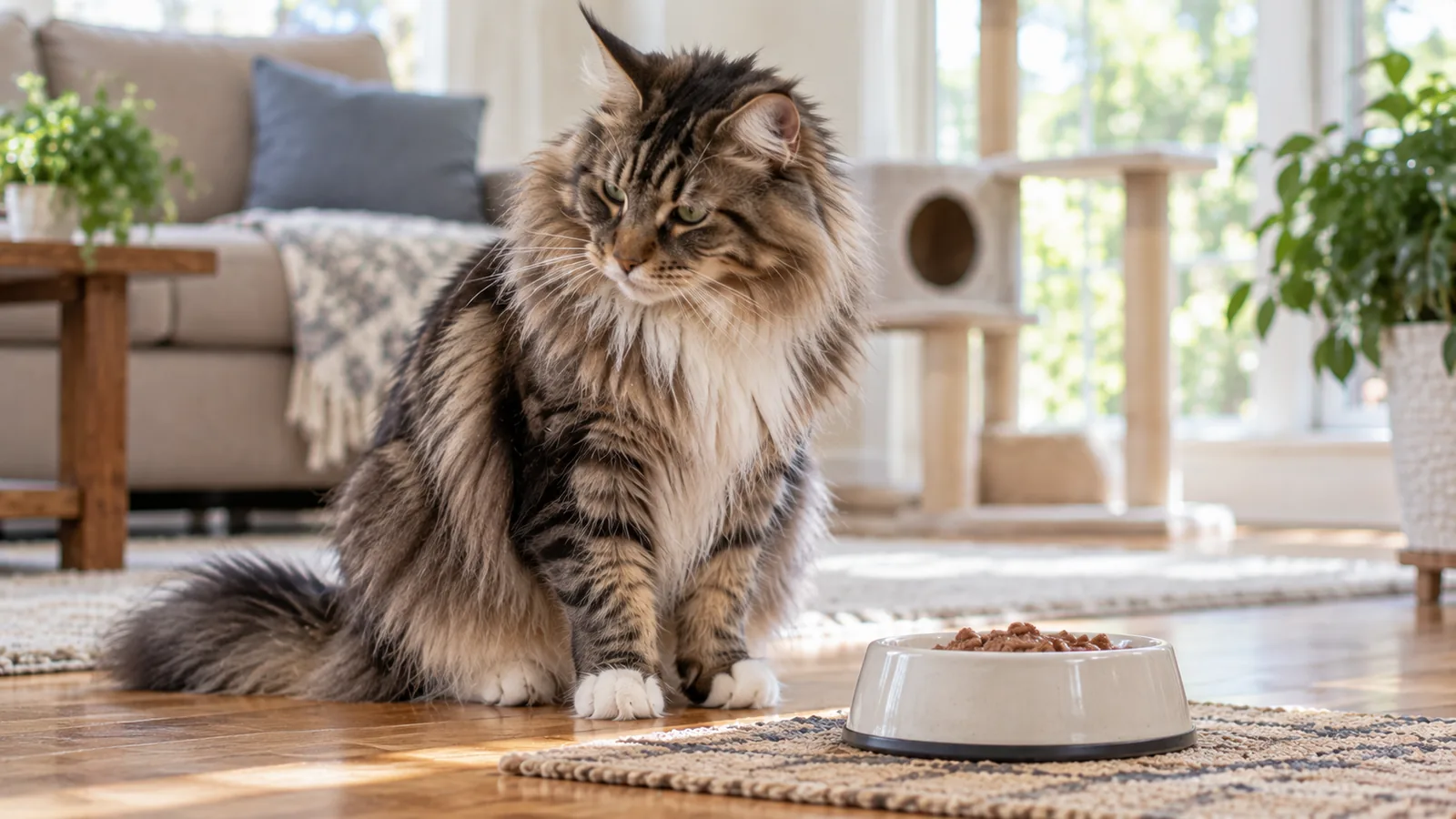
A dog or cat who has been vomiting on and off for weeks needs an exam in the next day or two, because a problem lasting that long rarely settles by itself. Getting thinner, drinking more than usual, tiring out early, or picking at meals all say the pattern is already costing your pet something, and that means being seen today. Internal organ disease, something stuck in the intestines, food allergies, certain cancers, or structural problems in the stomach can all cause chronic vomiting, and the earlier we find the cause the sooner we can get them feeling better.
Months of this wear on a whole household, and not knowing what is behind it is the hardest part. At WesVet Animal Hospital, a family-owned practice in Nashville, our job with a pet like this is to find the cause, not quiet the symptom and hope. Bloodwork, a urine sample, and imaging come first, because they catch what is going wrong outside the gut and anything physically in the way; when those come back clean, the answer usually lives in the gut wall itself, and that is where a controlled food trial, and sometimes biopsies of the stomach and intestine, become the next step rather than the last resort. We hold same-day appointments and can supply the prescription food a strict diet trial runs on, so book a visit and we will tell you where you stand at each step instead of leaving you guessing.
Weeks of Vomiting: The Basics
- Vomiting that keeps returning over weeks is a pattern with a cause, not a stomach that needs settling.
- Organ disease and partial blockages can look exactly like a sensitive stomach. Testing starts outside the gut for that reason.
- A food trial only answers the question when it's strict: no treats, no table food, no flavored medications.
- When testing and a food trial come up empty, tissue samples separate inflammatory bowel disease from lymphoma.
Is This Vomiting Something to Watch or Something to Call About?
Vomiting that repeats more than once or twice a month needs an exam, and so does any vomiting alongside weight loss, a fading appetite, more drinking, low energy, or loose stool. One episode after a fast breakfast is a different animal from vomiting that repeats most weeks.
What Does the Look and Timing of Vomiting Tell You?
Yellow or green foam is usually bile from a stomach that has sat empty too long. Kibble that comes back looking much the way it went down points to regurgitation rather than true vomiting. Dark, grainy material that looks like coffee grounds is digested blood. We read the appearance of vomit the way you'd read a note left on the counter, and it shortens the list of suspects before we've ordered any test. Bright red blood or repeated foamy white liquid both deserve a phone call. Note how soon after a meal it happens, how many times a week, and whether the pattern is getting worse. Take a photo. It beats the most careful description.
Which Vomiting Patterns Need an Exam?
If your cat has been leaving hairballs on the rug for years and nobody in the house remarks on it anymore, that's the pattern to bring us. A cat who brings up hairballs more than a few times a year is not simply being a cat, and dogs earn the same second look over grass eating. Kidney, liver, and thyroid disease are common in senior pets, and chronic vomiting is often the first change a family notices.
What Counts as an Emergency?
Some vomiting can't wait for a scheduled slot. Call before you load the car:
- Blood in the vomit: fresh red, or dark and grainy.
- A swollen, tight, or painful belly, or retching that brings up nothing: either can mean a twisted stomach, especially in a big deep-chested dog.
- No ability to keep water down: this dehydrates a pet quickly.
- Severe weakness, collapse, or pale gums.
- Any vomiting in a young puppy or kitten, or in a senior pet with other symptoms.
We handle emergency and urgent care during our open hours, and a call ahead lets us have a room ready before you pull in. Overnight and on Sundays, a 24-hour emergency hospital is the right destination, and our hospital picks the workup back up when we open. Never make your pet throw up at home unless we've told you to, and never reach for human anti-nausea or pain medication.
What Happens at the Vet When a Pet Has Been Vomiting for Weeks?
The workup opens with a full history and a nose-to-tail exam, then baseline testing that looks outside the gut first. Bloodwork alone can miss early kidney changes. A urinalysis runs alongside it for that reason, and how well a pet concentrates urine tells us whether the kidneys are still keeping up. Most of that first round happens here. Our in-house bloodwork and ultrasound mean a chemistry panel and a look at the abdominal organs stay in this building.
| What we run | What it can tell us |
| Fecal testing | Whether Giardia, whipworms, or another parasite is behind it |
| Blood count and chemistry | Kidney and liver function, blood sugar, thyroid clues, signs of anemia |
| Urinalysis | How well urine is concentrated, whether protein is leaking, any urinary infection |
| Abdominal ultrasound | Thickened layers in the intestinal wall, swollen lymph nodes, a mass |
| X-rays, with barium when needed | A swallowed object, gas patterns, organ size, how food moves through |
This is why we ask about past bloodwork. A kidney value sitting at the top of the normal range means little on its own. Set beside routine wellness exams from two years ago, when it sat near the bottom, it's a trend, and trends catch kidney disease early. No baseline yet? We start one now.
Why Does a Dog or Cat Keep Throwing Up for Months?
Chronic vomiting usually traces back to one of three places: something going in the mouth that shouldn't, an organ outside the gut that's struggling, or disease in the gut wall itself. The workup moves in steps instead of guesses, and sometimes an answer takes more than one visit.
Could Your Pet's Food Be the Problem?
Food is a common driver, and pet food selection comes down to life stage, body condition, and medical history rather than the claims on the front of the bag. A true food allergy is an immune reaction to a protein, usually chicken, beef, dairy, or egg. An intolerance skips the immune system entirely and just means that ingredient doesn't agree with your pet. From the kitchen floor the two look identical. Switching brands every few weeks keeps either one from being pinned down.
What About Trash, Socks, and Sidewalk Snacks?
Plenty of dogs treat a walk as a buffet. Goose droppings, rabbit pellets, and the compost bin all cause vomiting that has nothing to do with what's in the bowl. A swallowed sock doesn't always cause a dramatic crisis. Partial GI obstructions can sit in place for weeks, causing vomiting that comes and goes between otherwise normal days. Fabric, hair ties, and small toy pieces are the usual offenders, and cats add string and tinsel. When an object won't move on its own, surgery to remove swallowed objects is far simpler before the intestine is damaged than after.
Which Organ Diseases Make Pets Vomit?
Vomiting isn't always a stomach problem.
- Kidney disease: Chronic kidney disease in older pets often shows up at home as intermittent vomiting and a fading appetite, since waste the kidneys can no longer clear leaves a pet nauseated.
- Liver, gall bladder, and pancreas: Liver and gall bladder disease bring poor appetite and sometimes a yellow cast to the gums, and in cats the pancreas and intestines are often inflamed at the same time. Pancreatitis adds belly pain and a hunched posture, and the low-grade version can smolder for months.
- Hyperthyroidism: An overactive thyroid in a middle-aged or older cat drives weight loss despite a big appetite, restlessness, and frequent vomiting, and a blood test catches it.
What Goes Wrong Inside the Gut Itself?
Say the bloodwork came back clean, the ultrasound found no mass, and your pet is still throwing up most weeks. That's when we stop looking around the gut and start looking at the wall itself. Inflammatory bowel disease is chronic inflammation in that lining, through the stomach and the intestines, and it drives vomiting, weight loss, and diarrhea that comes and goes. The complication is intestinal lymphoma, which can produce a near-identical picture on ultrasound and in the exam room.
| Condition | How it tends to show up | How we tell it apart |
| Bilious vomiting syndrome | Yellow bile first thing in the morning, on an empty stomach | It improves with a bedtime snack and a shift in meal timing |
| Gastric ulcers | Vomit that looks like coffee grounds, black stool, appetite off | Bloodwork, imaging, a direct look inside |
| Inflammatory bowel disease | Vomiting, soft stool, weight that drifts down, appetite often still present | Biopsy |
| Intestinal lymphoma | Nearly the same picture, usually in an older cat | Biopsy plus special testing on the tissue |
| Pyloric stenosis | Food that comes back hours after a meal, small breeds and flat-faced breeds | Barium imaging, a direct look inside |
| Gastric cancer | Vomiting that won't quit plus weight loss in an older pet | Imaging, then biopsy |
Can Fast Eating or Stress Really Make a Pet Vomit?
Fast eating and stress both cause real vomiting, and both get missed because the result looks medical. Neither one needs medication to improve.
Is Your Dog Inhaling Dinner?
If your dog finishes dinner before you've put the scoop away and the food reappears on the floor a few minutes later, you've seen scarf and barf. Competition in a multi-pet home teaches a pet to eat like the bowl might vanish. The fix is to make dinner take longer. Puzzle bowls and interactive feeders stretch a ten second inhale into a ten minute puzzle, and feeding pets in separate rooms with the day's ration split into smaller meals usually finishes the job.
Can Stress Turn Into Vomiting?
Picture a cat who started throwing up the week a kitchen remodel filled the house with strangers and noise. Cats are the champions of stress vomiting, and stress alone can keep one vomiting for weeks. A schedule change or tension with another cat does the same thing. The gut and the nervous system are wired together. Stress and anxiety in dogs shows up as lip licking, yawning out of context, hiding, and a dog who stops settling where the family gathers. In cats, add overgrooming and a cat who quits greeting people at the door. Anxiety rarely acts alone, and the medical causes still get ruled out first.
What Does a Real Food Trial Look Like?
A real food trial is stricter than most households expect. A diet trial only counts as diagnostic when it runs eight to twelve weeks on a single novel or hydrolyzed protein with nothing else crossing your pet's lips, and one flavored chew or a scrap off the counter restarts the clock.
A novel protein is a meat your pet has never eaten, like kangaroo, rabbit, or alligator. A hydrolyzed protein breaks a standard ingredient into pieces too small for the immune system to recognize. Which one fits depends on your pet's lifetime food history, treats included.
Compliance is where trials come apart:
- Treats, dental chews, and table food: down to the bite of cheese wrapped around a pill.
- Flavored medications and supplements: most of which are beef or chicken based.
- The other pet's bowl: and whatever lands on the kitchen floor.
- Over-the-counter limited ingredient foods: they share production lines, and cross contamination can muddy a result.
Tell us about a slip instead of restarting blind. It happens in most households, and it changes how we read the result.
When Is It Time to Look Inside the Stomach and Intestines?
When bloodwork, imaging, and a strict food trial all come back without an answer, the next step is tissue. Samples from the lining of the stomach and intestine are the only way to separate inflammation from cancer, and there are two ways to collect them.
- A scope: Endoscopy sends a flexible camera down under anesthesia. It reaches the stomach and upper intestinal lining, collects small samples without an incision, and most pets are back to themselves within a day. We refer it to a specialty hospital, handle the scheduling, and take the results and follow-up care back from there.
- Surgery: Exploratory surgery is the route when we want to see everything at once. Through an abdominal incision the surgeon inspects each organ directly and takes biopsies that go through the full thickness of the gut wall, sampling more than one spot along the intestine. That depth matters for cats, where small cell lymphoma often sits below what a camera can reach. It's also the better route when imaging finds a mass that has to come out.
- The biopsy report: A pathologist separates inflammatory bowel disease from lymphoma, identifies other cancers, finds infection, and describes how deep the damage runs. That distinction changes everything that follows.
What Happens After We Have an Answer?
After we have an answer, the plan stops being general and starts being built around the disease we named. Which direction it takes depends on which of three groups your pet lands in, and we build that plan with you.
- Food-responsive vomiting: If the trial fixed it, the diet is the treatment, and the whole household holds the line through treats, holidays, and travel. Check the ingredient panel now and then, since recipes get reformulated quietly.
- Inflammatory bowel disease: Management pairs medication that calms the immune response, often a steroid or another immunosuppressant, with a therapeutic diet that gives the gut less work to do. Some patients also need vitamin B12, since a damaged intestine absorbs it poorly.
- Systemic disease and monitoring: When kidney, liver, thyroid, or pancreatic disease drives the symptoms, GI signs settle as that condition stabilizes, and a cat treated for an overactive thyroid often stops throwing up within weeks. These diagnoses need steady rechecks, and wellness plans keep bloodwork on a predictable schedule rather than a crisis-driven one.
Your Chronic Vomiting Questions, Answered
Should I hold food back after my pet throws up?
A short rest from food, roughly six to twelve hours for a healthy adult, is reasonable after a single episode, followed by small bland meals. Puppies, kittens, tiny breeds, and diabetic pets shouldn't be fasted, because their blood sugar drops fast. Water stays available unless your pet brings it back up every time they drink, and that's a reason to call us that day.
Does a biopsy mean my pet has to go under anesthesia?
Both routes require general anesthesia, since neither a scope nor an abdominal incision is something a pet can hold still for. Pre-anesthetic bloodwork checks the kidneys, liver, and red blood cell count first, and the protocol is built around your pet's age and health rather than a single recipe.
What if the food trial doesn't help?
A food trial that doesn't help is still useful information, because it clears the most common reversible cause and points the workup toward the gut wall or an organ we haven't fully evaluated. Next steps are usually repeat bloodwork, an abdominal ultrasound if one hasn't been done, and a conversation about tissue sampling.
Let's Get Your Nashville Pet Some Real Answers
WesVet Animal Hospital sees South Nashville dogs who find something questionable on every greenway walk, and cats whose families were told this was just hairballs. When you're ready to stop guessing, request an appointment, and we'll tell you what we find at each step.





Leave A Comment