
Routine Ear Maintenance: What Normal Looks Like and When to Worry
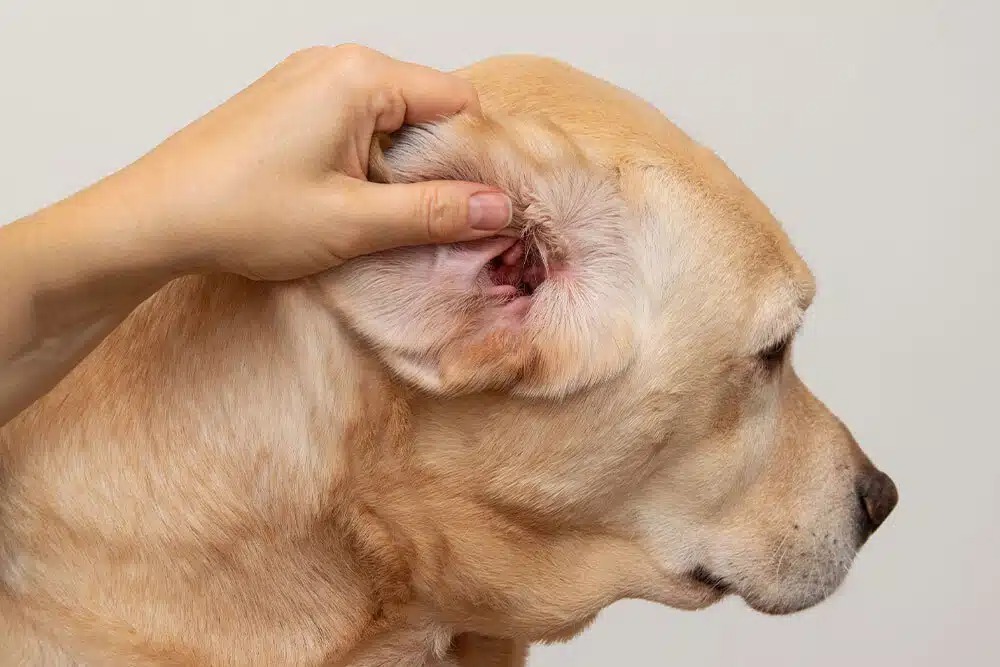
Ear problems announce themselves through scratching, head shaking, and unpleasant odors, but waiting for obvious symptoms means infections have already established. Weekly or biweekly ear inspections catch redness, discharge, and excessive wax before they progress to painful infections requiring intensive treatment. The inspection routine takes seconds: lift the ear flap, look for abnormal color or debris, and smell for yeasty or foul odors. Cleaning frequency depends on what you find and your pet’s individual tendencies, not arbitrary schedules that might over-clean sensitive ears or under-clean problem-prone ones.
WesVet Animal Hospital in Nashville incorporates ear health education into our comprehensive wellness care programs. During routine visits, we demonstrate proper inspection technique and help families understand which findings are normal versus which require veterinary attention. Our team explains why some pets need weekly cleaning while others go months without intervention. For dogs developing chronic ear issues, our diagnostic services identify underlying causes like allergies or anatomical problems that make infections recurring problems. Prevention costs far less than treating advanced infections. Request an appointment to establish ear care protocols, or contact us if current ear problems suggest infection requiring treatment.
Is Your Pet Scratching or Shaking? Here’s Why It Matters
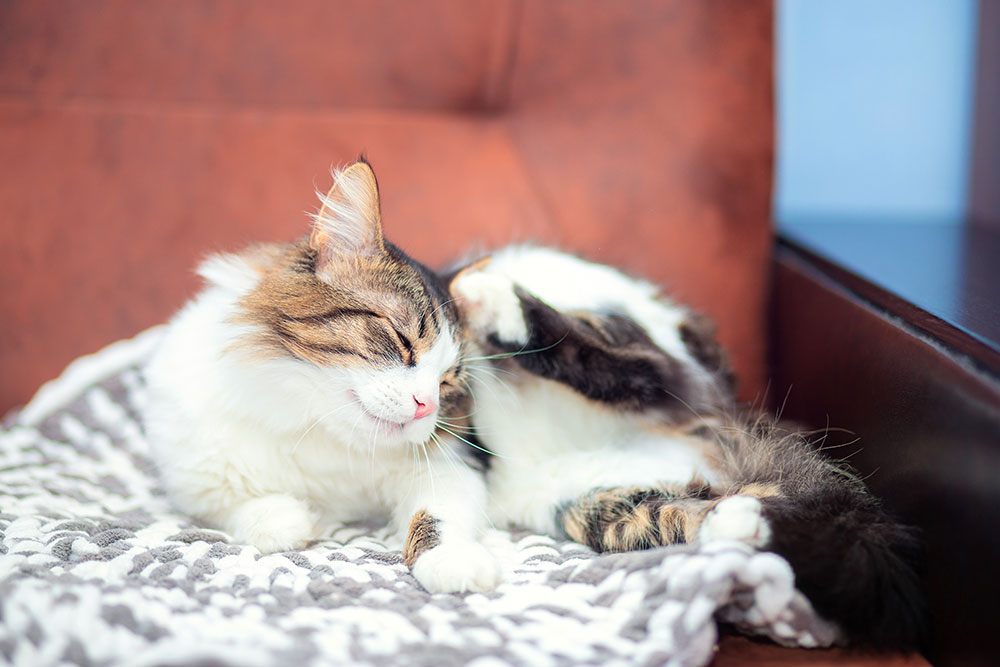
It’s easy to overlook a head shake or two. But when your dog paws at their ears or your cat starts rubbing their face against furniture, it might be more than an itch. Subtle signs can be the first indication that something’s brewing in the ear canal.
Proactive ear care is one of the most overlooked parts of preventive health. A quick check once a week can catch problems early, avoid discomfort, and reduce the need for long-term medications. At WesVet, we help pet owners integrate ear checks into regular care, making it a simple habit that protects long-term health.
Understanding Why Pet Ear Problems Are So Common
Ear Anatomy Plays a Big Role
Your pet’s ears are shaped very differently from yours. Dogs and cats have vertical and horizontal canals that form an L-shape. This design can trap moisture and debris deep inside, creating an ideal space for bacteria and yeast to grow.
Certain breeds are especially prone to ear problems. Cocker Spaniels, Basset Hounds, and French Bulldogs have narrow or floppy ears that limit airflow. Persian cats may have extra hair in their ears, which can trap wax. These anatomical factors increase the risk of buildup and infection.
During your pet’s wellness exam, we’ll assess their ear structure and recommend a care routine that fits their specific risk level.
Red Flags: What Symptoms Should You Watch For?
The earlier you notice a change, the easier it is to treat. Common signs of ear trouble include:
- Repeated head shaking or tilting
- Scratching or pawing at the ears
- Foul or yeasty odor
- Redness, swelling, or discharge
- Sensitivity or pain when ears are touched
- Rubbing ears along carpet or furniture
If any of these signs appear, your pet should be seen promptly. Even mild symptoms can indicate a deeper issue. We offer same-day care for pets showing signs of ear discomfort, so you don’t have to wait for relief.
How Often Should You Inspect and Clean Your Pet’s Ears?
General Guidelines for Healthy Ears
For most pets, weekly visual checks are enough. You’re looking for changes in appearance, smell, or moisture. If the ears look clean and smell neutral, no cleaning is necessary.
Cleaning should only happen when ears are visibly dirty or after activities that trap moisture. Guidelines for how to clean ears safely include gentle handling, approved solutions, and avoiding deep insertion of tools.
Every pet is different. Some dogs need cleaning every 1–2 weeks, others only after swimming or bathing. Over-cleaning can be just as harmful as neglect, causing irritation or removing natural defenses.
Pets Who Need More Frequent Monitoring
Some pets need closer attention. These include:
- Dogs with allergies or chronic skin issues
- Breeds with heavy or hairy ears
- Pets that swim or bathe often
- Pets recovering from past infections
If your dog has a history of ear issues or lives in a humid climate, more frequent inspections may be necessary. Our team can create a custom ear care plan during your pet’s next wellness visit.
When You Should Not Clean Your Pet’s Ears
Certain situations call for veterinary care, not home cleaning. If your pet shows signs of active infection or deep pain, cleaning may cause more harm than good.
Avoid cleaning if you notice:
- Redness, swelling, or warmth
- Foul-smelling discharge
- Blood, crusting, or scabs
- Head tilt or disorientation
- Pain when ears are touched
These symptoms may indicate otitis externa, a painful outer ear infection, or even otitis media and interna, which can affect balance and hearing. In some cases, a ruptured eardrum makes topical treatment dangerous. Foreign objects in the ears, like foxtails (grass awns) or ticks can further complicate ear issues and need to be removed promptly.
If you suspect something serious, do not attempt cleaning. Call us or request an appointment for an exam and diagnostic testing. Knowing when not to clean ears is just as important as knowing how to clean them.
How to Clean Ears Safely at Home
If your pet has healthy ears and your vet recommends routine cleaning, here’s how to do it:
- Choose a quiet space and have treats ready. This might get messy- bathrooms or outside is ideal.
- Gently lift the ear flap and apply a vet-approved cleaning solution into the canal.
- Massage the base of the ear for 20–30 seconds.
- Allow your pet to shake their head.
- Use a cotton ball or gauze to wipe away visible debris from the outer ear.
Never insert cotton swabs into the ear canal. This can push debris deeper or damage delicate tissue. If your pet shows discomfort or resists handling, stop and call us for guidance.
We’re happy to demonstrate safe techniques during your next wellness appointment.
Why Not All Ear Cleaners Are Safe
Ingredients to Avoid and Why It Matters
Store shelves are filled with ear cleaning products, but many aren’t suitable for pets. Alcohol, hydrogen peroxide, and witch hazel can sting or dry out inflamed tissue. Human products are not formulated for the unique needs of pet ear canals. Don’t use over-the-counter ear mite treatments- these can be extremely damaging to sensitive ears (and most of the time, ear mites aren’t your problem).
Instead, look for pH-balanced solutions with gentle cleansing agents. The best cleaners are designed to remove wax and debris without irritation, and to restore a healthy moisture balance in the ear.
Matching the product to the condition matters. A wax-dissolving cleaner won’t treat infection, and a drying solution can be painful if the skin is raw. We offer some great options for ear cleaners on our online pharmacy.
The Importance of Professional Guidance
At WesVet, we recommend cleaners based on physical exams and, when needed, ear cytology. This test reveals if bacteria or yeast are present and helps us choose the right formula.
Using the wrong product can delay healing, worsen the infection, or cause discomfort. That’s why we advise checking with our team before using any new ear solution.
After the Pool or Bath: Why Moisture Matters
Excess water in the ears is one of the most common triggers for infection. Whether your dog swims in lakes or lounges in the tub, trapped moisture can quickly lead to trouble.
To prevent this, gently dry your pet’s ears after water exposure. Towel-drying and ear-friendly drying agents can help. For dogs who swim regularly, consider protective strategies and routine checks. These small steps are key to removing water from ears and preventing chronic issues.
If you need tips or want to build a seasonal ear care plan, our wellness team is here to help.
Why Vet Ear Exams Matter Even When Everything Seems Fine
Not all ear issues are visible from the outside. During a professional ear exam, we use an otoscope to check deep into the canal and confirm that the eardrum is intact. If discharge or inflammation is present, we can collect samples for analysis and prescribe targeted treatment.
Routine checks during wellness exams help establish baselines and catch small changes before they become big problems. Pets with a history of infections may benefit from more frequent evaluations.
If you’re ever unsure whether your pet’s ears are normal, schedule a visit. Our team is trained to detect early warning signs and guide you through care.
Let’s Build a Plan That Keeps Ears Healthy
Your pet’s ear care doesn’t have to be complicated. With the right habits and guidance, you can protect their comfort, prevent infections, and avoid unnecessary treatments.
At WesVet Animal Hospital, we support your role as your pet’s advocate. Our team provides education, personalized recommendations, and high-quality care at every stage. We believe that good medicine starts with prevention, and that includes the ears.
Contact us with questions or schedule an appointment to build a custom ear care plan. Together, we’ll keep your pet comfortable, healthy, and ready for whatever adventure comes next.






Leave A Comment