

When Allergies Turn Dangerous: Recognizing Hives and Anaphylaxis in Dogs and Cats
From Mild Itch to Medical Emergency: What Allergic Reactions Look Like in Pets
One moment your dog is napping on the couch. Twenty minutes later, their muzzle is swollen, they’re pawing frantically at their face, and you’re not sure whether to wait and see or head straight to the clinic. That gap between “something seems off” and “this is a genuine emergency” is one of the most stressful places a pet owner can find themselves, and it happens faster than most people expect.
Allergic reactions in pets exist on a wide spectrum. Some are uncomfortable but not dangerous. Others are life-threatening and require intervention within minutes. The challenge is that early signs can look similar across that entire range, especially when there’s no obvious trigger in sight. Understanding what’s likely happening, what to watch closely, and when to move immediately helps families make the right call when it counts.
WesVet Animal Hospital in Nashville is a family-owned practice that provides the full spectrum of allergy care, from emergency needs to dermatology. Contact our practice or call (615)-739-5824 if your pet is showing signs of a reaction and you need guidance on next steps. We’re available for emergencies from 7:30am to 6pm Monday-Friday and 7:30am-noon on Saturdays.
What Causes Allergic Reactions in Dogs and Cats?
The immune system’s job is to identify and respond to genuine threats. In pets with allergies, that system overreacts to substances that are not actually harmful, treating them as if they were dangerous invaders. The immune response that follows is what produces the symptoms owners recognize: itching, swelling, hives, digestive upset, and in severe cases, systemic collapse.
Triggers vary widely, but the most common categories include:
- Environmental allergens: Environmental allergens including pollen, dust mites, mold, and grasses are among the most frequent culprits in dogs and cats. In Nashville, where spring and fall allergy seasons are pronounced, seasonal flares are common. Pets who react to tree pollen in April may be completely comfortable by July, only to flare again with ragweed in September.
- Insect bites and stings: Flea saliva is one of the most potent allergens in veterinary medicine. A single flea bite can trigger intense, widespread itching in a sensitized pet, even if the flea is never found. Bee stings and wasp stings can produce more acute reactions with rapid swelling.
- Food proteins: Food proteins such as chicken, beef, dairy, and eggs are common dietary allergens in both species. Food allergies tend to cause year-round symptoms rather than seasonal ones and often involve both skin and GI signs together.
- Medications and vaccines: Some pets react to specific medications or vaccine components. These reactions are less common but can be among the most acute.
The WesVet team can help identify which category a pet’s reactions fall into. We provide expert veterinary allergy care in Nashville, giving you a meaningful step toward understanding what’s actually driving a pet’s symptoms rather than chasing them indefinitely.
What About Reactions to Vaccines or Medications?
Vaccination reactions range from mild soreness or fatigue lasting a day or two to more significant responses, with most serious reactions appearing within an hour of administration. Some can develop up to 48 hours later, so the first two days after any new vaccine or medication are worth monitoring attentively.
Signs to watch for after a vaccine or new medication include vomiting, diarrhea, facial swelling, behavioral changes, or any breathing difficulty. Sharing complete medical and reaction history with the WesVet team before each veterinary vaccination visit allows the team to tailor the approach, whether that means premedication, adjusted timing, or modified protocol for a pet with known sensitivities. Preventive care and appropriate vaccination remain important, and with the right planning, most sensitive pets can receive the protection they need safely.
What Are the Different Types of Allergic Reactions?
Understanding the Spectrum from Hives to Anaphylaxis
Not every allergic reaction looks or behaves the same, and where a reaction sits on the severity spectrum often becomes clear in how quickly it develops and how many body systems it affects.
Mild to Moderate Reactions
Pets with contact hypersensitivity or chronic environmental allergies often show persistent itching of the paws, ears, and hindquarters, with repeated licking and scratching leading to hotspots and secondary skin infections if left unmanaged. This kind of reaction is not immediately dangerous, but a vet visit should be scheduled promptly to prevent ongoing skin damage and identify the underlying trigger.
Hives are raised, firm welts that appear on the skin, often most visible on the face, neck, back, or belly. They are itchy and uncomfortable, and they can appear within minutes of exposure. Hives are considered a localized reaction, meaning they are primarily a skin response rather than a whole-body event. While they deserve veterinary attention to identify the trigger and prevent escalation, they are not inherently life-threatening.
Respiratory allergies, by contrast, tend to develop more gradually, producing sneezing, watery eyes, and coughing that builds over hours or days rather than appearing suddenly.
Severe or Emergency Allergic Reactions
Anaphylaxis in dogs and anaphylaxis in cats sit at the most serious end of the spectrum. Anaphylaxis is a severe, whole-body immune response that causes blood pressure to drop rapidly, airways to narrow, and organs to receive inadequate oxygen. It can develop within minutes of exposure to a trigger and can become fatal without prompt treatment. The key indicator that a reaction has crossed from uncomfortable to dangerous is the involvement of multiple body systems at once, particularly the respiratory system.
When in doubt, treating a reaction as urgent is the right instinct. The WesVet team prioritizes life-threatening emergency presentations and is prepared to move quickly.
What Symptoms Should You Watch For?
Recognizing Common Allergy Signs Versus Emergency Warning Signs
Knowing which symptoms indicate a need for monitoring and which demand immediate action is genuinely useful information for every pet owner.
Common allergy symptoms worth watching and documenting:
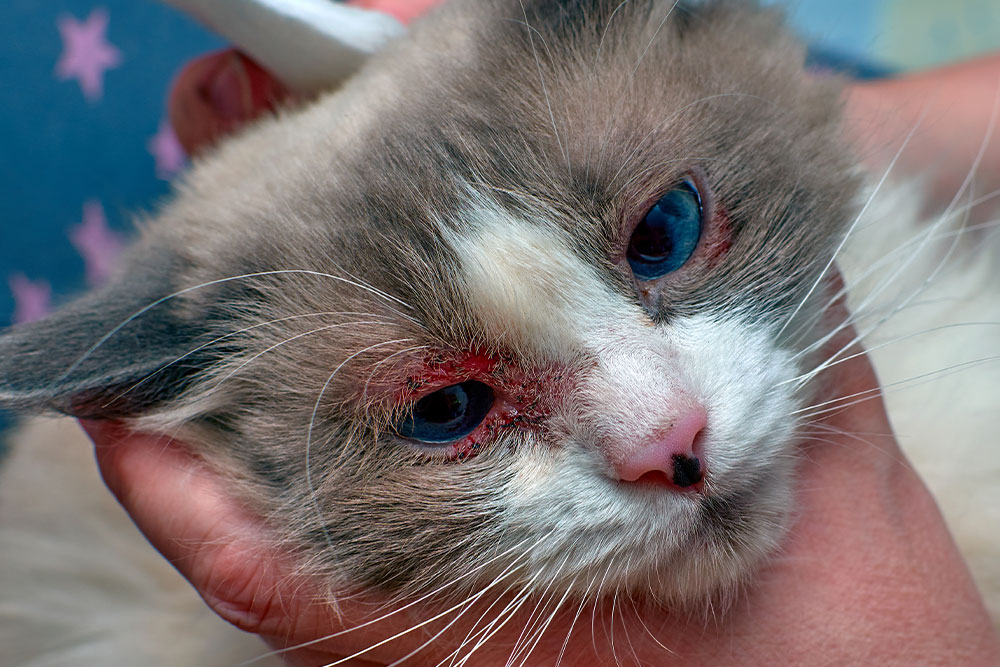
- Facial swelling, particularly around the eyes, muzzle, or ears
- Sudden intense itching, excessive licking of paws or body, or scratching
- Raised welts or bumps appearing on the skin
- Red, watery, or squinting eyes
- Vomiting or diarrhea developing within a short window after a new food or exposure
- Restlessness or behavior change without an obvious cause
These allergy symptoms warrant a veterinary call and often same-day evaluation, but they do not necessarily indicate an emergency in the first minutes of observation.
Emergency symptoms requiring immediate veterinary care:
- Difficulty breathing, rapid shallow breaths, or audible labored breathing
- Open-mouth breathing in cats, which is always abnormal and indicates respiratory distress
- Pale, white, or blue-tinged gums
- Collapse or inability to stand
- Swelling of the throat or tongue progressing visibly
- Persistent vomiting or diarrhea continuing for more than an hour
- Weak or racing pulse, extreme lethargy, or unresponsiveness
If breathing is involved or the pet is showing signs of shock, head to the clinic or an emergency facility immediately. Do not wait to see if it improves. WesVet accepts emergency cases during regular hours, Monday through Friday 7:30 a.m. to 6 p.m. and Saturday 7:30 a.m. to noon. For after-hours emergencies, MedVet Columbus and Ohio State Veterinary Medical Center can provide 24-hour care.
What Should You Do at Home Before or While Getting to the Vet?
Staying calm and moving with purpose is the most useful thing an owner can do in the early minutes of a reaction. Here are practical steps to take while arranging veterinary care:
- Remove the suspected trigger if it’s identifiable. Rinse the skin with cool water if a topical substance was involved. Avoid soaps or other products unless the veterinary team specifically directs you to use them.
- Keep the pet still and calm. Physical activity increases circulation, which can spread allergens through the body more quickly. Carry small pets rather than walking them.
- Prevent self-trauma. If scratching is intense, a cone or e-collar reduces skin damage from scratching while you travel.
- Document what you can. Note the time symptoms started, any new foods, products, or exposures in the past few hours, and take photos of swelling or skin changes. This information genuinely helps the team.
- Do not give human medications without veterinary guidance. Some antihistamines are safe for pets at specific doses, but dosing varies by weight and species, and some common formulations contain xylitol or decongestants that are toxic to pets.
Call the clinic while you’re preparing to leave so the team can be ready when you arrive. Contact WesVet at (615)-739-5824 for guidance on next steps and to let them know you’re on your way.
When Does an Allergic Reaction Become a Veterinary Emergency?
The threshold for emergency care is clear in a few specific situations. Head in immediately if you observe:
- Breathing that is worsening over the course of several minutes, not improving
- Swelling spreading to the face or neck area
- Multiple body systems involved simultaneously (skin plus GI plus respiratory)
- Collapse or severe weakness
- Symptoms continuing despite removing the known trigger
How Are Emergency Allergic Reactions Treated?
Emergency treatment for anaphylaxis involves epinephrine to reverse the severe immune response, medications to reduce inflammation and support blood pressure, oxygen support for respiratory involvement, and IV fluids for cardiovascular stabilization. For hives and milder reactions, antihistamines, anti-inflammatory medications, and close monitoring are typically sufficient.Most mild reactions resolve quickly with appropriate treatment.
Severe anaphylaxis requires close monitoring and occasionally overnight hospitalization, but outcomes with prompt treatment are generally very good. One important consideration after any significant reaction is the possibility of a biphasic reaction, meaning a return of symptoms hours after the initial reaction appeared to resolve, even without further exposure to the trigger. This is why our team monitors patients carefully after treatment rather than sending them home as soon as initial signs improve. WesVet’s veterinary services include the diagnostic and treatment capabilities needed for reactions at every severity level. If overnight care is needed, we’ll help direct you to the right place for your pet.
How Can You Prevent Reactions from Happening Again?
Prevention focuses on reducing exposure and catching changes before they escalate.
Grooming and Skin Care
Regular grooming plays a meaningful role in lowering a pet’s allergen load. Weekly rinsing removes pollen, dust, and environmental debris from the coat before it absorbs further. For pets with known skin sensitivity, we love using Duoxo Calm Shampoo and Relief Shampoo for their soothing properties. Duoxo Calm Mousse and Relief Spray are great for in-between-bath itch management. Topical therapies for allergic skin used consistently between visits support the skin barrier and help reduce the frequency and severity of flares over time.
Parasite Control
Flea allergy dermatitis is triggered by flea saliva rather than the flea itself, meaning sensitized pets can react severely to a single bite. Year-round parasite prevention is essential, not seasonal. We carry flea and tick prevention for dogs and flea and tick prevention for cats in our pharmacy.
Medical Management at Home
For pets with a history of severe reactions to insect stings, having epinephrine on hand is worth discussing with the team. Not every patient needs this, but for those with documented anaphylactic responses, it buys critical time.
Immunotherapy, which involves gradually desensitizing the immune system to specific allergens through controlled exposure, is the most effective long-term management strategy for environmental allergies. It does not work quickly, but for pets with significant year-round or seasonal reactions, it can substantially reduce the frequency and severity of flares over time.
Apoquel and Cytopoint are two excellent options for managing itching and discomfort during allergic episodes, and the WesVet team can help determine which is the better fit for a specific patient.
How Do Dietary and Environmental Changes Help?
For suspected food allergies, elimination diet trials are the diagnostic gold standard. These involve feeding a single novel or hydrolyzed protein source for eight to twelve weeks with absolutely nothing else: no treats, table scraps, or flavored medications. Improvement during the trial, followed by symptom return when the original diet is reintroduced, confirms the diagnosis. It requires patience and strict compliance, but it’s the only reliable way to identify a food allergy.
For environmental management, HEPA vacuuming, washing pet bedding weekly in hot water, and keeping indoor humidity between 30 and 50 percent reduce the overall allergen load in the home.
Frequently Asked Questions About Allergic Reactions in Pets
What is the difference between hives and anaphylaxis?
Hives are raised, itchy welts on the skin, usually appearing on the face or body. They are uncomfortable and deserve attention but are typically a localized reaction. Anaphylaxis is a severe, whole-body response involving blood pressure collapse, airway constriction, and organ stress that can be fatal within minutes without treatment. The key difference is how many systems are affected and how quickly things progress.
When should I head to the clinic versus calling first?
Call first if your pet has hives, mild itching, or a single vomiting episode with no other signs. Head in immediately, without waiting, if breathing is labored, gums are pale or blue, swelling is spreading to the face or throat, the pet collapses, or multiple symptoms are occurring at once.
Can I give my pet a human antihistamine at home?
Not without veterinary guidance. Some antihistamines are safe for pets at specific doses, but the correct dose varies by species and body weight, and some formulations contain xylitol or decongestants that are toxic to dogs and cats. If your pet has a known reaction history, ask the team in advance whether having a specific product and dose on hand makes sense.
How do I prevent flea-related allergic reactions?
Consistent year-round flea prevention is the most reliable approach, since flea allergy dermatitis can be triggered by a single bite in a sensitized pet. In Nashville’s climate, flea activity continues well beyond summer, so keeping prevention going through fall and winter is just as important as spring and summer coverage.
How do I know if my pet has a food allergy?
Food allergies typically cause year-round skin or GI symptoms rather than seasonal ones. Confirmation requires a strict elimination diet trial lasting eight to twelve weeks. The WesVet team can guide you through the process.
Your Partner for Every Allergic Reaction, From Mild to Urgent
Allergic reactions deserve prompt attention whether they show up as mild skin irritation or sudden, severe distress. The warning signs that matter most are rapidly spreading facial swelling, worsening breathing, pale gums, collapse, and persistent vomiting. If any of those are present, move immediately.
For pets with ongoing allergy management needs, the WesVet team handles everything from trigger identification and immunotherapy planning to skin care protocols and medication management. The practice is built around families who want more than a transaction at each visit, and that commitment extends to being genuinely reachable when something unexpected happens. Request an appointment for a same-day evaluation or allergy consultation, or contact the team at (615)-739-5824 any time you’re worried.






Leave A Comment