
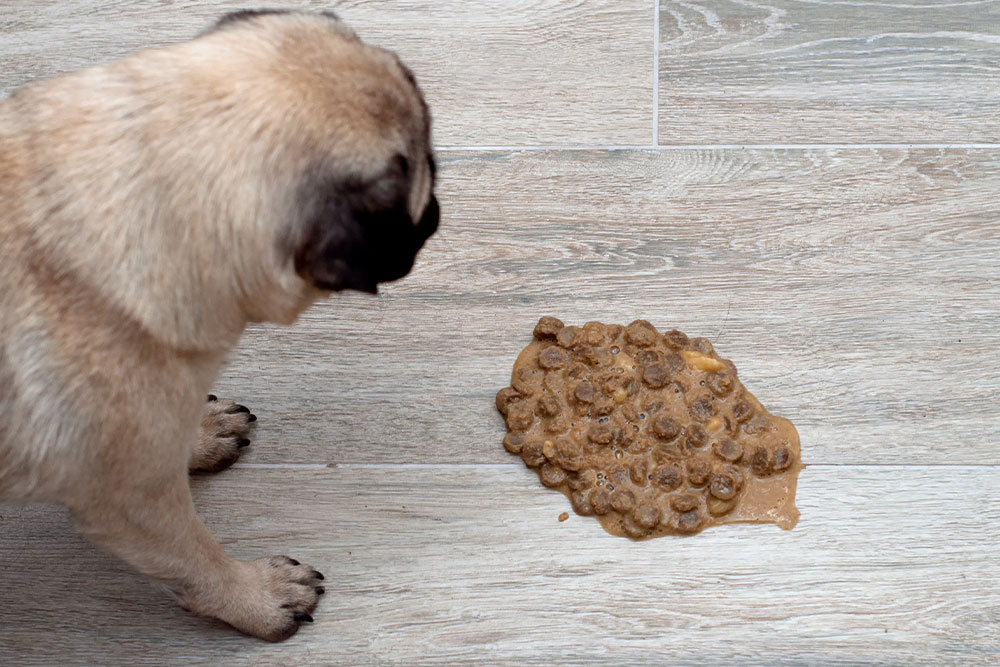
You wake up in the middle of the night to that awful sound- you know the one- and moments later, you’re kneeling on the floor, trying to figure out what just happened. Seeing your dog vomit can be startling and emotional, especially when they look confused or uncomfortable afterward. You may find yourself wondering whether this is just a minor stomach upset or the first sign of something more serious. Even a single episode can leave you replaying their behavior from the day before: Did they eat something weird? Did we switch treats? Did they seem quieter tonight?
At WesVet Animal Hospital, we understand how quickly worry can take over when your pet isn’t feeling well. Our same-day appointments, comprehensive veterinary wellness care, and on-site diagnostics ensure your dog gets prompt answers and relief. You never have to navigate those uncertain moments alone- we’re here to guide you through every step.
Why Dogs Vomit: A Symptom, Not a Diagnosis
Vomiting is one of the most common reasons dog owners seek veterinary care. While it can be caused by something as simple as eating too fast, it can also be a sign of a deeper issue. That’s why it’s important to look at vomiting as a symptom rather than a disease. Your veterinarian will consider your dog’s recent diet, environment, medications, stress levels, and behavior changes to understand the full picture. Small details- like whether your dog visited the park yesterday or got into the trash- can offer critical clues.
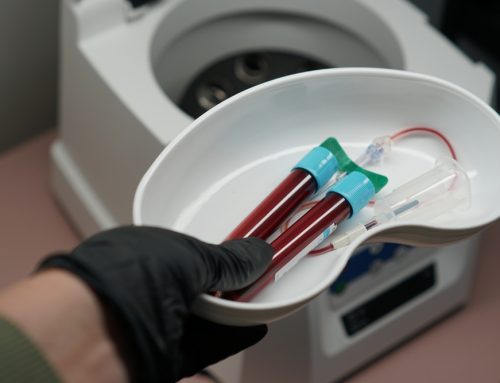
At WesVet, our in-house bloodwork, X-rays, and ultrasound help us quickly determine what’s going on so treatment can start right away. The sooner we pinpoint the cause, the sooner your dog can get back to tail wags and normal routines.
Vomiting Versus Regurgitation: Knowing the Difference
One helpful detail for your veterinarian is whether your dog is vomiting or regurgitating. Vomiting is an active process: the belly contracts, there may be drooling or lip-licking beforehand, and the material is often partially digested. Regurgitation, however, is passive- food simply falls out of the mouth, often soon after eating, and usually appears completely undigested.
This distinction matters because regurgitation points toward esophageal conditions like megaesophagus, which require different testing and management. If you’re unsure which is happening, take a quick video when it’s safe to do so- these are incredibly helpful during your pet’s exam.
Digestive System Causes of Vomiting
Eating Too Fast
Many dogs inhale their food with such enthusiasm that the stomach becomes overwhelmed, leading to vomiting shortly after meals. You might notice kibble appearing mostly whole or hear a loud burp before the episode. Some dogs also become anxious around mealtime, especially in multi-pet households, which can increase gulping. Slow-feeder bowls, puzzle feeders, or smaller, more frequent meals can help your dog relax and enjoy their food at a healthier pace.
Gastrointestinal Blockages and Foreign Objects
Puppies and curious adults sometimes swallow things they shouldn’t- socks, toys, corn cobs, rocks, or sticks- and these objects can get lodged in the stomach or intestines. A gastrointestinal foreign body obstruction often causes continuous vomiting, drooling, or a tightly tucked abdomen. Dogs may try to hide, refuse treats, or pace anxiously because of the discomfort.
At WesVet, our diagnostic imaging team uses X-rays and ultrasound to confirm obstructions quickly. Gastrointestinal foreign bodies are always emergencies- delays can lead to intestinal damage or perforation. If your dog seems bloated, weak, or can’t keep anything down, we offer emergency care during our normal hours for immediate evaluation.
Dietary Changes, Spoiled Food, and Toxins
Dogs have sensitive stomachs, and sudden diet changes, scavenging spoiled food, or exposure to toxins can all cause vomiting. Even switching to a new “healthy” food too quickly may trigger diarrhea or stomach upset. Gradual transitions of 7–10 days give your dog’s digestive system time to adjust.
Common toxins include chocolate, grapes, xylitol, certain houseplants, and human medications. High-fat table scraps can contribute to painful pancreatitis, especially around holidays when pets have more access to rich foods. If you suspect ingestion of something unsafe, call us or local poison control immediately. Bringing the packaging or a sample helps our veterinary team treat your dog quickly.
Bloat and Stomach Rotation Emergencies (GDV)
Large, deep-chested breeds- like Great Danes, German Shepherds, and Standard Poodles- are prone to gastric dilatation-volvulus, or GDV. In this condition, the stomach fills with gas and rotates, trapping air inside. Dogs may try to vomit repeatedly but produce nothing. They often pace, appear distressed, or stand with their abdomen tucked and tight.
GDV progresses rapidly, so immediate treatment is vital. Surgery is required to decompress the stomach and return it to a normal position. Preventive gastropexy is recommended for high-risk breeds- a procedure WesVet can perform to reduce the risk of this life-threatening emergency.
Internal Organ and Metabolic Causes of Vomiting
Problems within the kidneys, liver, or endocrine system often show up as vomiting or poor appetite. For example, dogs with chronic kidney disease may have toxin buildup that causes nausea. Liver disease can impair digestion and energy metabolism, leading to vomiting or weight loss. Dogs with bilious vomiting syndrome may vomit yellow foam early in the morning due to irritation from excess bile.
Endocrine disorders like Addison’s disease can mimic many other illnesses. Dogs may seem fine one day and profoundly weak the next. Vomiting, diarrhea, trembling, and collapse can all occur when hormone levels become imbalanced.
Because these conditions often develop slowly, early detection is key. Regular screening for senior pets helps us catch subtle changes before symptoms become severe. Our in-house lab allows same-day bloodwork, meaning quicker answers and targeted treatment plans.
Cancer as a Cause of Vomiting
Some cancers, such as canine lymphoma, mast cell tumors, or gastrointestinal carcinoma, disrupt digestion, block the stomach, or cause inflammation- leading to chronic vomiting. You may notice weight loss, decreased appetite, or gradual changes in energy levels. While hearing “cancer” is always scary, many forms respond well to treatment when diagnosed early. Advanced imaging, biopsies, and lab testing at WesVet help us determine next steps with clarity and compassion.
Infectious Diseases That Cause Vomiting
Viruses like canine parvovirus can cause severe vomiting, especially in puppies or unvaccinated dogs. Parvo progresses quickly and requires intensive hospitalization to manage dehydration and prevent complications. Early vaccination– usually by 8 weeks of age and every 3-4 weeks until at least 16 weeks of age- is crucial to keeping your dog safe.
Some bacterial infections also lead to acute vomiting, especially after drinking contaminated water or eating spoiled food. These infections often resolve more quickly when treated with appropriate antibiotics, fluids, and supportive care.
Intestinal Parasites
Parasites such as roundworms, hookworms, and giardia can irritate the digestive tract, causing vomiting, diarrhea, and weight loss. Puppies are especially vulnerable. A simple fecal exam performed during your dog’s wellness visit can detect most parasites, and year-round preventives keep future infections at bay.
Environmental Causes of Vomiting
Heat Stroke
Heat stroke is a medical emergency that can cause vomiting, collapse, and organ damage. Dogs cool themselves primarily through panting, which isn’t always effective in extreme heat or high humidity. Early signs include frantic panting, drooling, vomiting, bright red gums, and wobbliness. Quick action- moving your dog to shade, applying cool (not cold) water, and seeking immediate care- can be lifesaving.
What to Do When Your Dog Vomits
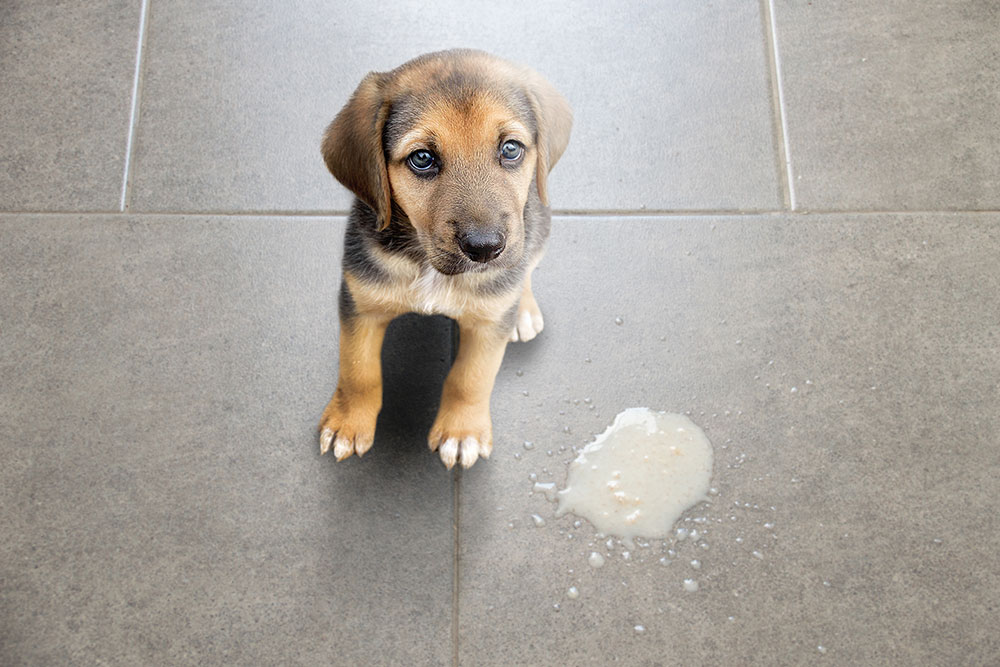
If your dog vomits once but otherwise seems comfortable, you can withhold food (not water) for 4–6 hours to let the stomach settle. Offering a small meal of bland food such as boiled chicken and rice afterward is usually a gentle way to resume feeding. Still, monitor your dog closely- any repeated vomiting, drooling, trembling, or refusal to drink warrants veterinary attention.
Keep track of details like when the vomiting started, what the vomit looked like, potential dietary changes, and whether your dog is also experiencing diarrhea or lethargy. These notes help us diagnose the issue much faster. Vomiting that contains blood, resembles coffee grounds, or is accompanied by a swollen abdomen should always be treated as an emergency.
When in doubt, call us. Our team at WesVet is available for same-day appointments and emergency care so your pet doesn’t have to wait for relief.
Protecting Your Dog’s Digestive Health
While occasional vomiting is usually harmless, repeated episodes should never be dismissed. Consistent wellness care, thoughtful feeding routines, and a pet-safe home environment make a big difference in long-term digestive health. Feeding meals at regular times, storing food safely, introducing diet changes slowly, and keeping household toxins and table scraps out of reach are simple habits that prevent many problems.
At WesVet Animal Hospital, your pet’s comfort and health are always our top priorities. If your dog is showing signs of vomiting or digestive upset, contact us or request an appointment today. Our compassionate veterinary team will determine the underlying cause, create a personalized treatment plan, and help your best friend feel like themselves again.





Leave A Comment