

It can be alarming to notice thinning patches, bald spots, or excessive licking when you are petting your dog or cat. While some shedding is normal, changes like patchy loss, persistent thinning, or skin that looks red or flaky usually point to something deeper. The reassuring news is that most cases of hair loss improve significantly once the cause is identified, and getting to the root of the problem is the first step toward restoring your pet’s comfort and a healthy coat.
At WesVet Animal Hospital, we combine compassionate care with a detailed, step-by-step approach to skin concerns. Our team offers thorough exams and on-site testing to uncover what is affecting your pet’s coat, then guides you with tailored care and recommendations. If you are seeing changes that worry you, please request an appointment so we can help.
How Can You Tell the Difference Between Normal Shedding and Alopecia?
Alopecia is the medical term for hair loss, and it is a symptom rather than a disease. Something underneath, whether skin, immune system, hormones, or stress, is driving the problem. Normal shedding looks diffuse and even, with healthy skin underneath. Alopecia looks different. Signs that warrant evaluation include:
- Bald patches or localized thinning that falls outside normal seasonal patterns
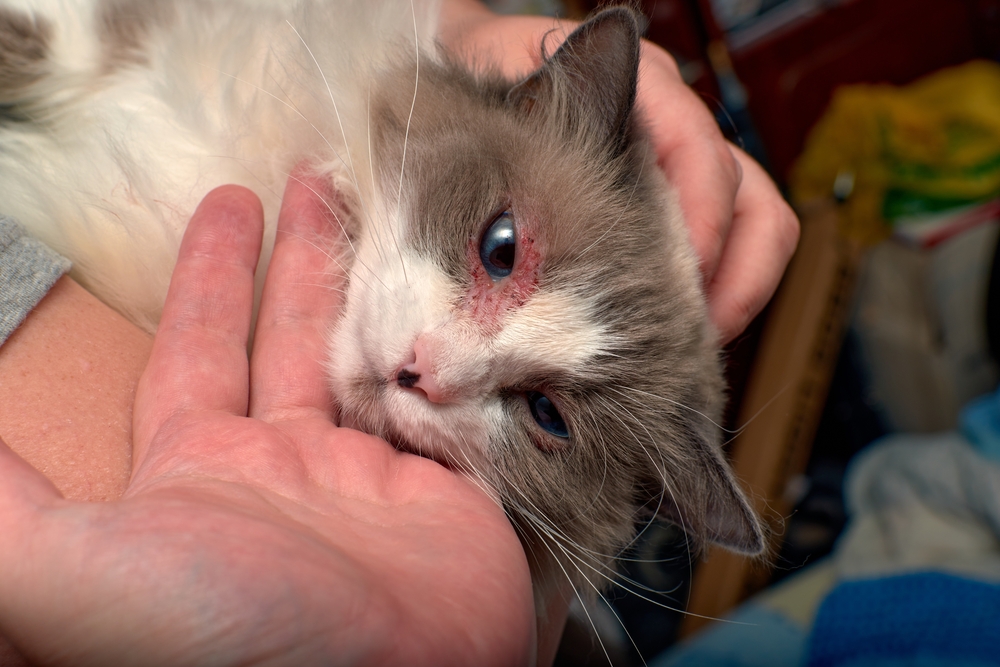
- Redness, scaling, crusting, or darkening of the skin
- Hair that does not regrow or comes back with a different texture
- Excessive scratching, licking, or chewing focused on specific areas
Skin and coat screening is part of every wellness visit at WesVet, which means subtle changes often get caught before they become bigger problems.
Could Allergies Be Behind Your Pet’s Hair Loss?
Allergies are one of the most common causes of hair loss in pets. The immune system overreacts to an environmental or dietary trigger, causing inflammation and itching. The scratching, licking, and chewing that follow are what actually damage the hair and create bald spots.
Triggers range from environmental allergens (pollen, grasses, mold, dust mites) to food proteins (chicken, beef, dairy) to flea saliva. Dogs with allergies may chew their feet raw or lick patches completely bald. Cats tend to overgroom quietly, licking themselves smooth without obvious scratching. A flea allergy creates a classic pattern of hair loss over the rump, tail base, and inner thighs, and Nashville’s mild winters mean fleas stay active nearly year-round.
Long-term management often combines medicated baths, omega-3 support, anti-itch medications, and elimination diets or allergy testing. If hair loss keeps returning, request an appointment so we can build a targeted plan.
What Parasites and Skin Infections Cause Hair Loss?
Even indoor pets can pick up parasites, and some are too small to see without a microscope. Demodex mites cause patchy hair loss on the face and paws, most commonly in puppies or pets with weakened immune systems. Sarcoptic mange causes intense itching, crusting, and hair loss on the ears, elbows, and belly, and it is contagious to people. Fleas cause itch-related hair loss even in pets without a true flea allergy.
When skin becomes inflamed, normal surface bacteria and yeast can overgrow, creating a cycle of itch, damage, and thinning. Ringworm is a fungal infection (not a worm) that creates circular bald spots with scaly edges and is contagious to people and other pets.
Year-round parasite prevention eliminates flea bites from the equation entirely and is especially important in Nashville’s climate. If your dog or cat is itchy and losing hair, we’ll work you in quickly for veterinary care in Nashville so your pet feels better promptly.
What If the Hair Loss Is Symmetrical and Not Very Itchy?
When hair thins evenly along both sides of the body, the tail, or the neck without much scratching, hormones are often involved. These changes can develop so gradually that significant thinning goes unnoticed for months.
Could It Be a Thyroid or Adrenal Problem?
Hypothyroidism is common in middle-aged dogs. Insufficient thyroid hormone slows metabolism, presenting as weight gain, low energy, cold sensitivity, and a dull, thinning coat on the trunk and tail. Cushing’s disease involves excess cortisol and presents differently: a pot-bellied appearance, increased thirst and urination, fragile skin, and hair loss along the sides. Cats can develop hyperthyroidism, causing a patchy, unkempt coat alongside weight loss and increased appetite.
Can Sex Hormones or Topical Medications Cause Hair Loss?
In intact male dogs, testicular tumors can produce excess estrogen, leading to symmetrical hair loss. Intact females can develop similar changes from ovarian cysts or hormonal fluctuations. Spaying or neutering often resolves these cases.
Pets can also absorb hormones from their owner’s topical creams or gels (estrogen, testosterone) through skin contact or licking. If you use topical hormone products, cover application sites and wash your hands before handling your pet.
Why Does Routine Blood Work Matter for Coat Health?
Hormone imbalances often show up on blood tests before they become visually obvious. Routine blood work during wellness visits provides baseline values for thyroid, adrenal, and organ function, making it easier to catch shifts early. If these signs sound familiar, contact our team to discuss endocrine screening.
Are Some Breeds Prone to Genetic Hair Loss?
Some dogs inherit coat conditions that cannot be cured but can be managed comfortably. Knowing breed tendencies helps set realistic expectations and guides care.
- Color dilution alopeciaaffects dogs with diluted coat colors, including Dobermans, Weimaraners, and Italian Greyhounds, causing gradual thinning and dry, brittle hair.
- Flank alopeciacauses seasonal bald patches on the sides and is seen in Boxers, Bulldogs, and Airedales.
- Sebaceous adenitisdestroys the oil-producing glands in the skin, leading to scaling, a waxy buildup, and hair loss. Standard Poodles are particularly predisposed.
- Zinc-responsive dermatosiscauses crusting and hair loss around the face and pressure points in northern breeds like Huskies and Malamutes.
Diagnosis requires ruling out other causes first. Management centers on supportive skin care, nutrition, and sometimes light therapy.
Could Stress or Pain Be Making Your Pet Overgroom?
Pets, especially cats, can express emotional distress through repetitive grooming that creates smooth, thin areas on the belly, inner thighs, or forelimbs. This is called psychogenic alopecia, and the skin underneath usually looks normal without redness or scabs, which helps distinguish it from medical causes. Common feline life stressors include new pets, household moves, routine changes, and conflict between cats. Dogs can show similar patterns through repetitive licking of one spot, developing a raised, thickened lesion called a lick granuloma.
Pain is another common but often overlooked driver of overgrooming. Pets will lick, chew, or pull hair over areas that hurt even when the skin looks fine. A cat with feline idiopathic cystitis may lick their lower belly bald because of bladder discomfort, and a dog with osteoarthritis may obsessively lick a sore hip or knee until the hair thins or a raw spot develops. The tricky part is that pain-driven and stress-driven grooming can look identical on the surface, which is why diagnostics matter. If you suspect pain or anxiety is playing a role, request an appointment so we can sort out what is behavioural versus medical.
Does Diet or Grooming Affect Your Pet’s Coat?
The skin and coat are among the first places to show nutritional shortfalls because hair growth demands a steady supply of protein, fatty acids, zinc, and biotin. Overbathing or harsh shampoos can strip natural oils and make hair brittle, while regular grooming improves circulation, removes debris, and distributes oils for a healthier coat. During veterinary wellness care visits, we can discuss diet, supplements, and grooming routines tailored to your pet.
What Happens During a Hair Loss Workup?
Knowing what to expect reduces anxiety about the process. Here is what a typical workup involves:
- History and pattern check:We discuss onset, seasonality, itch level, diet changes, and stressors. Mapping whether loss is patchy, circular, or symmetrical narrows the possibilities quickly.
- Skin testing:Samples checked under the microscope through cytology reveal mites, bacteria, or yeast. Fungal culture is added when ringworm is suspected.
- Blood work and endocrine panels:Ordered when non-itchy, symmetrical loss suggests a hormonal cause.
- Allergy evaluation:Elimination diets lasting up to 12 weeks are the gold standard for diagnosing food allergies.
Our in-house diagnostics streamline answers so treatment can start sooner. To set up a focused skin evaluation, request an appointment.
How Is Hair Loss Treated Once the Cause Is Found?
Because many different conditions cause alopecia, treatment is always matched to the specific diagnosis.
- Allergies:Anti-itch medications, diet changes, medicated topicals, omega-3 support, and immunotherapy
- Parasites:Prescription preventives, targeted treatments, and environmental cleaning
- Infections:Antibiotics or antifungal therapy guided by culture results
- Hormonal conditions:Thyroid supplementation, Cushing’s protocols, or surgery with regular monitoring
- Stress or pain-related grooming:Enrichment, behaviour modification, pain management, and calming support
- Nutritional gaps:Diet improvements, omega supplementation, and gentler grooming
Hair cycles slowly, so rechecks are essential to track progress and fine-tune the plan. Schedule a visit so we can outline the right timeline.
Frequently Asked Questions
How quickly will my pet’s hair grow back? It depends on the cause. Parasite-related hair loss often improves in 4 to 6 weeks. Hormonal conditions can take 3 to 6 months once medication is started. Some genetic conditions may not fully regrow, but supportive care improves coat quality.
Can my pet’s hair loss spread to me or my family?
Most causes are not contagious. The exceptions are ringworm and sarcoptic mange, both transmissible to people. Prompt treatment and thorough handwashing protect the household.
When should I worry about hair loss versus normal shedding?
See your veterinarian if you notice bald patches, focused scratching or licking, red or scaly skin, worsening hair loss, or changes like lethargy, weight gain, or increased thirst.
Can food cause hair loss?
Yes. Food allergies typically affect the face, ears, paws, and rear. Diagnosing requires a strict 8 to 12 week elimination diet, not just switching brands.
Is seasonal hair loss ever normal?
Some thinning during spring and fall is expected, but bald patches or hair that does not regrow should be evaluated.
Helping Your Pet Get Back to a Healthy Coat
Most pets with alopecia feel better once the cause is identified and treated. Whether your pet is scratching from allergies, quietly overgrooming from stress or pain, or showing symmetrical thinning from a hormone imbalance, there is a clear path forward. Trust your instincts if something looks off. Contact us with questions or request an appointment for a thorough skin evaluation.





Leave A Comment