
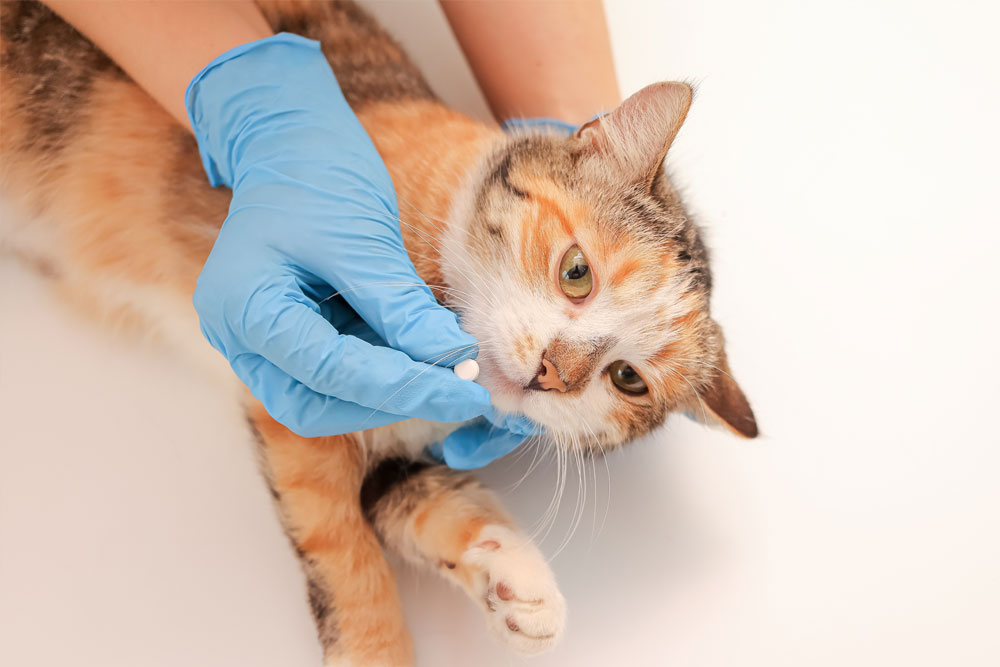
New puppies and kittens bring a lot of joy into a household, and in many cases, they also bring intestinal parasites. Roundworms and hookworms are so common in young animals that veterinary guidelines recommend starting deworming at just two weeks of age, before most families have even brought their new pet home. These parasites are not a sign of poor care from a breeder or shelter. They are simply part of how the parasite life cycle works, passed from mother to offspring before birth or through nursing. The good news is that a straightforward deworming schedule paired with fecal testing and monthly prevention takes care of the problem.
At WesVet Animal Hospital, we build parasite care into every puppy and kitten wellness visit from day one. Our approach includes deworming at the right intervals, fecal testing to confirm which organisms are present, and a transition to year-round monthly prevention that covers intestinal worms, heartworm, fleas, and ticks. Request an appointment or reach out to our team at (615) 739-5824 to schedule your new pet’s first visit.
Why Your Pet Can Look Perfectly Fine and Still Have Worms
Intestinal parasites in young pets frequently cause no obvious symptoms until the burden is already substantial. Your puppy or kitten can carry a significant roundworm load while appearing alert, active, and otherwise normal, all while parasites compete for every nutrient they consume.
Waiting for visible signs is the wrong approach. By the time a young animal shows weight loss, a pot-bellied appearance, or digestive upset severe enough to notice, the infection has had weeks to impair growth and immune development. Treating proactively according to a schedule is why the protocol exists.
There is also a window of opportunity in the first few months of life that does not come back. Bone density, organ development, immune maturation, and overall growth happen at a faster pace in puppies and kittens than at any other point in their lives, and it is hard to make up that ground later. A puppy whose growth is slowed by parasite burden in the first six months may not reach the body condition or muscle development they would have otherwise. Keeping the parasite load near zero during this window is one of the simplest, most impactful things we can do for long-term health.
What Parasites Take From a Growing Pet
Young animals are particularly vulnerable because their immune systems are still maturing. Every nutrient a parasite takes comes at the expense of bone development, muscle growth, and immune maturation.
Roundworms: The most common intestinal parasite in puppies and kittens. Transmitted from mother to offspring before birth (in dogs) or through nursing milk. Roundworms and hookworms are also both transmissible to people, placing children and immunocompromised household members at genuine risk. Roundworm eggs survive in soil for years, making reinfection from Nashville’s parks and outdoor spaces a persistent concern.
Hookworms: Attach to the intestinal wall and feed on blood. Significant hookworm infection causes profound anemia in young animals, which can become life-threatening. Diarrhea, sometimes bloody, is a common sign in severe cases, though many infections are quiet initially. Hookworm larvae can also penetrate intact skin, including human skin, which is why barefoot exposure to contaminated soil carries real risk.
Whipworms: Primarily a dog concern. Cause chronic, intermittent digestive symptoms and shed eggs inconsistently, which is why a single fecal test can produce a false negative. Multiple tests improve detection accuracy. Whipworm eggs are also notoriously hardy and can survive in yard soil for years, so once a property is contaminated, ongoing prevention becomes especially important.
Tapeworms: Pets become infected by swallowing an infected flea during grooming. Year-round flea prevention directly prevents tapeworm transmission. The most common giveaway at home is small, rice-like segments visible around the tail base or in fresh stool.
Coccidia and giardia: Single-celled organisms that standard dewormers do not treat. They require specific fecal testing to identify and targeted medications to clear. Both cause watery, sometimes persistent diarrhea and poor weight gain. Both are common in pets from shelters, rescues, or multi-animal environments.
The Deworming Schedule
Deworming typically starts at two weeks of age and is repeated every two weeks through sixteen weeks, or until fecal tests come back clear. The reason for the two-week interval is that dewormers eliminate adult worms present at the time of treatment but have no effect on larvae still developing in tissue. The two-week cycle catches each new generation as it matures.
After the four-month mark, deworming shifts from a series to ongoing monthly prevention paired with periodic fecal checks. Most modern monthly preventives cover the most common intestinal worms alongside heartworm, fleas, and ticks, which means parasite control becomes a single consistent step rather than separate medications.
Our wellness care visits integrate deworming into a coordinated schedule alongside vaccines and fecal testing so nothing is missed and nothing is doubled up unnecessarily.
Why Fecal Testing Is a Required Part of the Plan
Fecal testing is how we confirm what organisms are actually present. No single dewormer covers every parasite type, and no single test detects everything reliably.
Standard fecal flotation identifies eggs from common worm species. More advanced testing panels, including antigen testing and PCR methods, improve detection for organisms that shed inconsistently or require specific identification. Coccidia and giardia require testing methods beyond standard flotation.
Fecal testing is especially important when:
- Your pet came from a shelter, rescue, or multi-animal environment
- Multiple pets share a household and one has a confirmed infection
- Any digestive symptoms are present, regardless of apparent cause
Month-to-Month Prevention After the Initial Series
Once the deworming series is complete, the goal shifts to preventing reinfection. Year-round parasite prevention is the current standard of care from all major veterinary organizations.
Heartworm prevention is essential year-round in Middle Tennessee. Nashville’s warm, humid summers create peak mosquito activity, and regional parasite data confirms consistent heartworm-positive cases in the area across all seasons. Monthly preventives work by eliminating parasites picked up during the prior 30 days, which is why continuous coverage without gaps is what protection actually means. Heartworm prevention typically also provides coverage for several internal parasites.
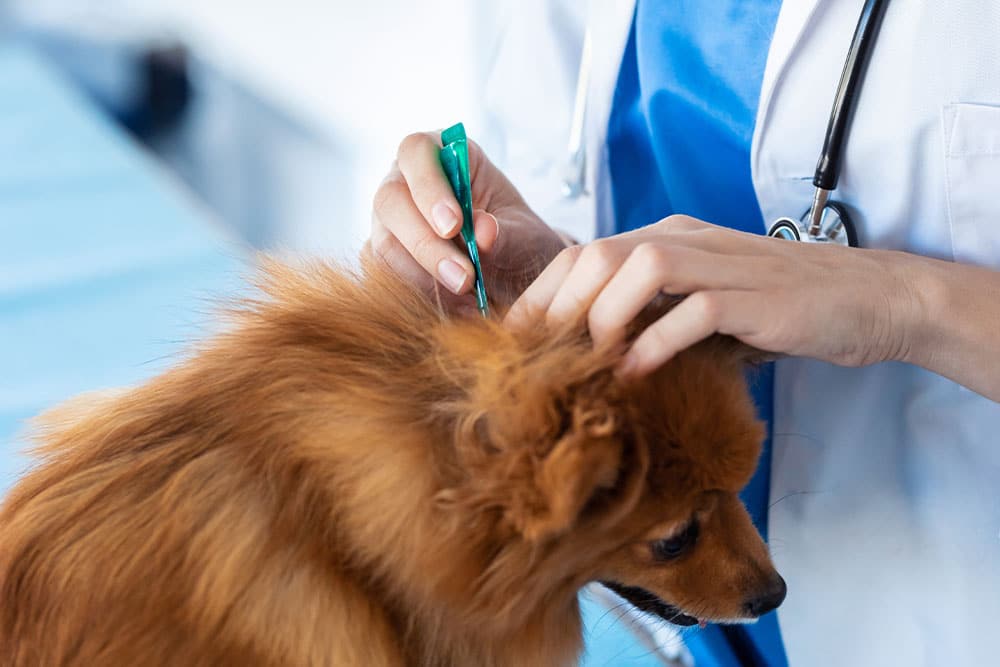
Our pharmacy carries comprehensive prevention options for dog flea and tick, cat flea and tick, dog heartworm, and cat heartworm products; ask us what we’d recommend for your pet and we’re happy to help.
Adjusting Prevention to Your Pet’s Lifestyle
Prevention frequency and product selection should reflect how your individual pet lives.
Higher-risk settings include:
- Regular outdoor access in parks, wooded areas, or fields
- Dog parks, boarding facilities, or doggy daycare
- Multi-pet households where one animal has a confirmed infection
- Pets who hunt or have access to wildlife
Even strictly indoor cats with no outdoor access and no contact with other pets can become infected with internal parasites by grooming away a flea that came in on your pant leg from the yard, dirt tracked in on a shoe, or even houseplant soil. Annual fecal testing provides a meaningful safety check for low-risk pets, and twice yearly testing is recommended for high-risk pets. Monthly prevention for heartworm and fleas is recommended for all pets in Nashville.
Protecting the People in Your Home
Several common pet parasites are zoonotic, meaning they can infect people. Children who play in soil and immunocompromised household members are particularly vulnerable to roundworm and hookworm larvae. In rare cases, roundworm larvae migrate through human tissue and can affect organs including the eyes, which is why pediatric exposure is taken seriously even in apparently healthy children.
Practical household steps:
- Remove pet feces promptly from the yard and seal before disposal
- Wash hands thoroughly after handling pets
- Prevent young children from putting soil or outdoor objects near their mouths
- Treat all pets in multi-pet households when any individual animal has a confirmed infection
- Wear shoes in areas where pets defecate, since hookworm larvae can penetrate skin
What to Expect at WesVet
Your new pet’s first parasite-related appointments are brief and straightforward. We weigh your pet for accurate dose calculation, review any prior deworming history from the breeder or shelter, collect a fecal sample, and provide the appropriate deworming treatment at the visit. We build the rest of the schedule into the wellness plan so the timing is set from the start.
It is also worth knowing that mild loose stool, occasional vomiting, or visible worms passed in stool after a deworming dose are normal and expected, not a sign that something has gone wrong. The medication is doing its job. If those symptoms are more than mild or last more than a day or two, give us a call and we will take a closer look.
Same-day appointments mean that if a question about your pet’s parasite prevention comes up, you can usually get it addressed quickly without a long wait. Chat with our team if you have questions before coming in.
Frequently Asked Questions
How do I know if my puppy or kitten has worms?
Most infections are silent initially. When signs do appear, they can include a rounded belly, loose or irregular stool, poor coat quality, visible worms or segments in stool, or weight loss despite eating well. The absence of visible symptoms does not mean the absence of parasites.
Can I use over-the-counter dewormers?
Over-the-counter products address a limited range of parasites. Prescription options from your veterinarian provide broader coverage and are dosed accurately to your pet’s current weight. Starting with a fecal test identifies exactly what your pet has, which guides treatment selection.
When should I start monthly heartworm prevention?
Most veterinarians recommend starting heartworm prevention by 8 weeks of age. Our team will confirm the appropriate product and timing at your first visit based on your pet’s weight and health status.
Is it normal to see worms in my pet’s stool after deworming?
Yes. Seeing dead or dying worms passed in stool after a dewormer dose is expected and confirms the medication is working. The sight is unsettling but not a complication.
Starting Right Makes the Difference
A structured deworming series, regular fecal testing, and consistent monthly prevention form the complete foundation for parasite-free growth in puppies and kittens. At WesVet Animal Hospital, we build these elements into every early-life wellness plan from the first visit.
Request an appointment for your new pet’s first wellness visit. We’ll confirm vaccines are on track, verify parasite status, and set up a prevention plan tailored to life here in Nashville.






Leave A Comment