
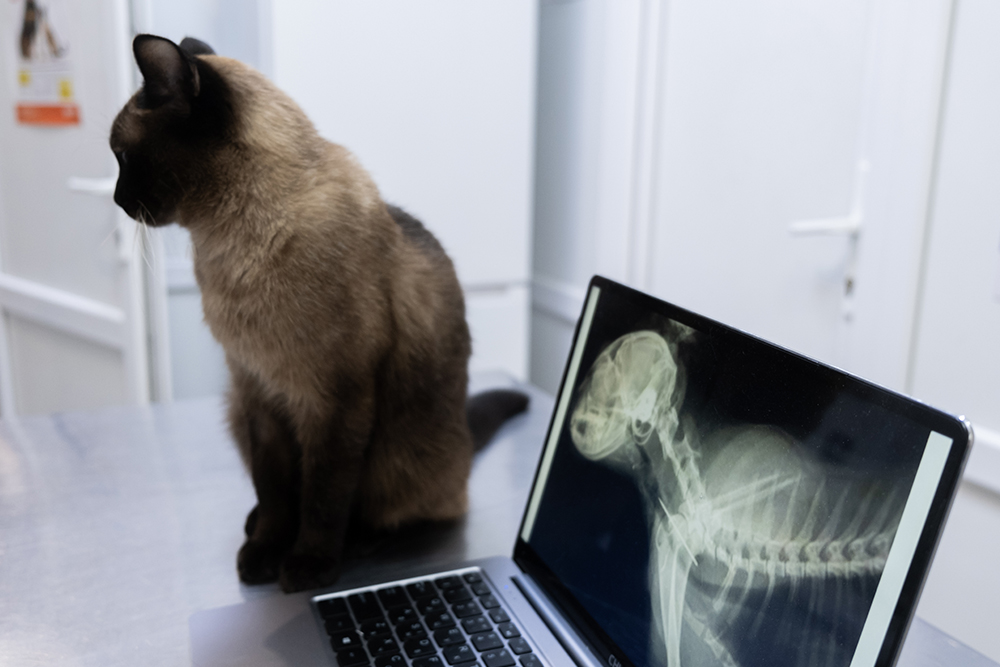
One of the most consistent things we see in veterinary medicine is the difference that regular senior screenings make in outcomes. Not because the tests are magical, but because catching kidney disease in Stage 1 gives you years of good management rather than months of crisis management. Because finding uncontrolled hypertension in a senior cat before it causes retinal detachment or cardiac remodeling means starting treatment at the point where it still makes a real difference. The logic of senior screening is the logic of acting before symptoms force your hand.
WesVet Animal Hospital is a family-owned, independent Nashville practice, and we offer same-day appointments to make it easier to get your senior pet seen when something seems off. Our wellness care services include comprehensive senior panels and imaging, and we will walk through every result with you before you leave. Request an appointment to schedule your senior pet’s wellness visit.
The Essentials
- Pets are typically considered seniors around age 7 for medium and large dogs, 9 to 10 for small dogs and cats, and earlier for giant breeds; senior bodies change faster than middle-aged ones, which is why twice-yearly visits with screening catch more than annual exams.
- Comprehensive senior screening covers blood work, urinalysis, blood pressure, thyroid testing, and imaging when indicated; the value is not just in finding disease but in tracking trends from visit to visit.
- Hypertension, kidney disease, hyperthyroidism, heart disease, and many cancers can produce essentially no outward signs until significant damage has occurred, which is why a pet who seems fine is exactly the pet who benefits most from screening.
- Early detection in seniors translates directly into more treatment options, longer life expectancy, and substantially better quality of life during the years pets have left.
Why Do Senior Pets Need More Than the Standard Wellness Exam?
A senior pet’s body changes faster than a young adult’s. Conditions can develop, progress, and become symptomatic in months rather than years. The annual physical exam that worked perfectly through their middle years is not catching enough.
Twice-yearly visits with preventive testing catch problems sooner, sometimes years before they would otherwise be detected by watching for symptoms alone. The value is not just in finding disease; it is in tracking trends. A creatinine value at the high end of normal at one visit and slightly elevated six months later tells a different story than either reading would alone. Trends reveal early disease while individual values still appear to be in normal range.
What a Comprehensive Senior Screening Includes
A full senior screen may be a little different for each pet. Blood work, urinalysis, blood pressure measurement, thyroid testing, and imaging may be recommended. The specific combination is guided by your pet’s species, breed, age, current health status, and any symptoms you have reported.
We will walk through the specific tests appropriate for your pet during the visit, and you do not have to do everything at once; some screening can be staged across visits to fit your situation.
What Does Blood Work Reveal in Senior Pets?
Blood panels provide an internal snapshot of organ function and overall health before symptoms appear. The components of a senior blood panel:
- Complete blood count (CBC): evaluates red blood cells, white blood cells, and platelets; anemia, infection, and various blood disorders show up here
- Chemistry panel: assesses kidney function, liver function, pancreatic function, electrolytes, glucose, and protein levels
- Heartworm and tick-borne disease testing: catches infections that may not yet be producing symptoms but require treatment
- Thyroid testing (T4 and free T4): detects hypothyroidism in dogs and hyperthyroidism in cats, both common in seniors
- Urinalysis combined with blood work: reveals patterns the blood alone cannot show
The value of comparing to baseline is substantial. We keep your pet’s results in their record, and at every visit we look at the trend rather than just the current numbers. A creeping rise in kidney values over multiple visits is often visible long before any single value crosses into abnormal territory.
Why Does Blood Pressure Monitoring Matter for Senior Pets?
Hypertension in pets is silent. Unlike in people, where high blood pressure produces headaches and vague symptoms, pets show essentially no outward signs until the damage is done. By then, the consequences can be severe:
- Retinal detachment and sudden blindness
- Cardiac remodeling that creates new heart disease
- Kidney damage that accelerates existing kidney disease
- Stroke-like neurological events
Hypertension is commonly secondary to other conditions: chronic kidney disease, hyperthyroidism in cats, Cushing’s disease, diabetes, and various other endocrine and cardiac disorders. Screening blood pressure as part of senior visits identifies the problem early enough to treat both the hypertension and the underlying cause.
The measurement is non-invasive: a small cuff on a leg or tail, similar to having your own blood pressure taken. Treatment when needed involves daily oral medication that is well-tolerated by most pets.
What Can a Urine Test Tell You About Your Senior Pet’s Health?
Urinalysis provides information that blood work does not, and the two together produce a much fuller picture than either alone. Dilute urine can be the earliest sign of kidney disease in some cases, often appearing before blood values change, which is why running urinalysis alongside the blood panel is part of standard senior screening rather than an add-on.
What urinalysis measures:
- Concentration (specific gravity): reveals whether kidneys are concentrating urine appropriately; dilute urine in a senior pet can be the earliest sign of kidney disease, often appearing before blood values change
- Protein in the urine: indicates kidney damage or other systemic processes
- Glucose: signals diabetes mellitus
- Crystals or stones: indicate bladder issues that may need management
- Bacteria, white cells, and red cells: identify infections, inflammation, or bleeding within the urinary tract
For senior cats specifically, urinalysis is one of the most valuable tests we run. Feline kidney disease often shows up in the urine before blood values shift.
How Is Heart Disease Screened for in Senior Pets?
Cardiac screening identifies heart disease in pets who appear healthy. Many heart conditions develop slowly, with the heart compensating for years before symptoms appear. By the time you notice the cough, exercise intolerance, or fainting episodes, significant damage has already occurred. Multiple screening tools work together to catch heart disease at the stage where medications can substantially slow progression.
The main screening tools:
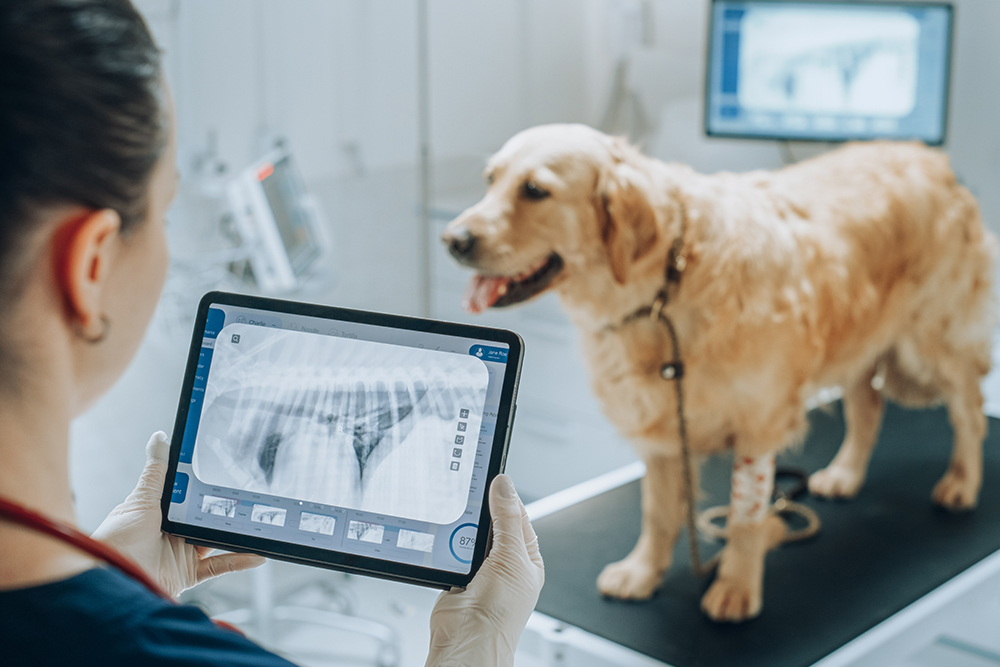
- Chest X-rays: evaluate heart size and shape, lung field, and major vessels
- Echocardiogram: provides detailed imaging of cardiac structure and function and is the gold standard for cardiac evaluation
- NT-proBNP testing: measures a protein released when the heart is under stress; elevated levels prompt further evaluation
- ECG: evaluates cardiac rhythm and detects arrhythmias
Heart disease diagnosis is most successful when combined approaches are used. The tests are non-invasive and well-tolerated. Early identification means starting medications when the heart is still compensating well, which produces dramatically better outcomes than starting treatment after congestive heart failure has developed.
When Are X-Rays and Ultrasound Added to a Senior Screening?
Imaging answers questions that blood and urine tests cannot. Radiographs and ultrasound are typically added to the senior workup when bloodwork suggests organ involvement, when respiratory or cardiac signs are present, or as part of staged comprehensive screening for older or higher-risk pets.
Radiography is excellent for evaluating bone structure, lung fields, heart silhouette, abdominal organ positioning, and identifying obvious masses or foreign bodies. Senior X-rays often reveal arthritis changes, early heart enlargement, lung patterns suggesting heart disease, or unexpected findings that warrant further investigation.
Ultrasound provides cross-sectional imaging of soft tissue structures: liver, spleen, kidneys, bladder, intestinal walls, lymph nodes, and major vessels. Abdominal ultrasound is particularly valuable when blood work suggests organ involvement that needs visual confirmation or as a screening for breeds at risk of developing certain cancers.
What Common Conditions Should I Watch for in My Senior Pet?
Senior screening helps identify a range of age-related conditions that share a common pattern: they develop quietly, produce few outward signs until they are well-established, and respond far better to treatment when caught early. Thyroid disease, kidney disease, heart disease, cancer, liver disease, arthritis, and dental disease account for the majority of what we look for in routine senior screening.
Kidney Disease in Senior Pets
Chronic kidney disease is extremely common in senior cats and also affects senior dogs. The challenge is that pets typically do not show symptoms until 70 to 75 percent of kidney function has been lost. By the time you see increased thirst, increased urination, weight loss, and decreased appetite, the disease is well-established.
Screening catches kidney disease earlier, when prescription kidney diets, fluid therapy, and medications can substantially extend both lifespan and quality of life.
Heart Disease in Senior Pets
The common types of heart disease in pets vary by species and breed:
- Mitral valve disease: the most common heart condition in small breed dogs, particularly Cavalier King Charles Spaniels, Chihuahuas, and Dachshunds
- Dilated cardiomyopathy: affects mostly large breed dogs including Doberman Pinschers, Boxers, and Great Danes
- Hypertrophic cardiomyopathy: the most common heart disease in cats and often produces no symptoms until a crisis occurs
Early detection allows medications that can dramatically slow progression and delay or prevent congestive heart failure. Heart disease treatment approaches have improved substantially in recent years.
Thyroid Disease in Dogs
Hypothyroidism affects the thyroid gland’s ability to produce sufficient thyroid hormone. The signs often look like normal aging:
- Weight gain despite no diet change
- Lethargy and decreased exercise tolerance
- Dull or thinning coat
- Intolerance of cold
- Skin and ear infections that do not fully resolve
Diagnosis requires blood testing (T4, free T4, sometimes TSH). Treatment is daily oral thyroid hormone supplementation, which most dogs tolerate well and respond to within weeks.
Thyroid Disease in Cats
Hyperthyroidism in cats is essentially the opposite condition: the thyroid produces too much hormone, accelerating metabolism throughout the body. The signs include:
- Weight loss despite increased appetite
- Hyperactivity or restlessness
- Vomiting or diarrhea
- Rapid heart rate
- Unkempt appearance
Treatment options include daily oral medication, dietary management, surgical removal of the thyroid, and radioactive iodine therapy (curative in most cases).
Cancer Screening in Senior Pets
The risk of cancer increases with age. Routine exams and imaging help identify cancer at earlier stages when more treatment options remain available.
Common senior cancers include:
- Lymphoma: often presenting as multiple enlarged lymph nodes
- Hemangiosarcoma: often involving the spleen, liver, or heart and producing few symptoms before crisis
- Osteosarcoma: bone cancer in large breeds
- Mast cell tumors and various carcinomas: develop in various locations and can be aggressive
Warning signs include new lumps or bumps, changes in existing lumps, weight loss, decreased appetite, lethargy, lameness without obvious cause, and changes in normal patterns. Any new mass should be evaluated; the bigger they get and the longer they stay, the more difficult treatment becomes.
Liver Disease in Senior Pets
Liver disease often appears in senior blood work before outward signs develop. Elevated liver enzymes warrant follow-up, which may include additional bloodwork, imaging, or sometimes liver biopsy depending on the pattern. Many liver issues in seniors are manageable with appropriate diet, supplements, and medications.
Arthritis and Joint Pain in Senior Pets
Arthritis affects most senior pets, even when they do not show obvious lameness. Cats are particularly good at hiding joint pain; behavioral changes (jumping less, hiding more, decreased grooming) often signal pain rather than aging.
Joint supplements including glucosamine, chondroitin, and omega-3 fatty acids support cartilage health and improve mobility. Newer pharmaceutical options have transformed arthritis pain management: Solensia provides monthly injectable pain relief for cats, and Librela does the same for dogs. These monoclonal antibody therapies offer effective relief for pets who cannot tolerate or are not appropriate candidates for traditional anti-inflammatory medications.
Our pharmacy carries a range of dog joint supplements, cat joint supplements, and omega-3 supplements; ask us what we’d recommend for your pet at your next visit.
Dental Disease in Senior Pets
Dental care matters substantially in seniors. Dental disease is not just about teeth and gums; the chronic infection drives systemic inflammation that affects the heart, liver, and kidneys.
Professional cleanings under anesthesia are the gold standard for senior dental care. Pre-anesthetic blood work helps ensure the safety of any procedure for older pets. Modern monitoring during anesthesia means age alone is not a reason to avoid dental work; the risks of leaving dental disease untreated are typically greater than the risks of properly conducted anesthesia.
Our dental care services include comprehensive cleanings and treatment of dental disease. Home care between cleanings (brushing, dental chews, water additives) supports oral health and extends the time between cleanings.
Frequently Asked Questions About Senior Pet Screening
When does my pet become a senior?
Generally around age 7 for medium and large dogs, age 9 to 10 for small dogs and cats, and earlier for giant breeds. The number is approximate; your pet’s individual aging rate matters more than the calendar.
How often should senior pets be screened?
Twice yearly visits are recommended for most seniors, with comprehensive screening typically occurring annually. Pets with chronic conditions may need more frequent monitoring.
My pet seems fine. Do they really need all this testing?
Yes. The whole point of screening is finding things before they cause symptoms. Pets with early kidney disease, hypertension, hyperthyroidism, or many cancers may appear completely normal at home.
Is anesthesia safe for older pets?
Modern anesthesia with appropriate pre-anesthetic testing and monitoring is generally well-tolerated by senior pets. The risk of leaving certain conditions untreated typically exceeds the anesthetic risk.
Helping Your Senior Pet Thrive with Proactive Care
Senior pets benefit enormously from proactive screening. The conditions most likely to affect quality of life and longevity in older pets are also the ones that respond best to early detection. Investing in twice-yearly visits and comprehensive screening pays off in years of additional good time together.
Our services at WesVet Animal Hospital include the full range of senior pet care needs and the one-on-one time to walk through every result. Whether your senior pet is here for routine wellness care in Nashville or you have noticed something new and want it evaluated, request an appointment and we will work through it together.





Leave A Comment