
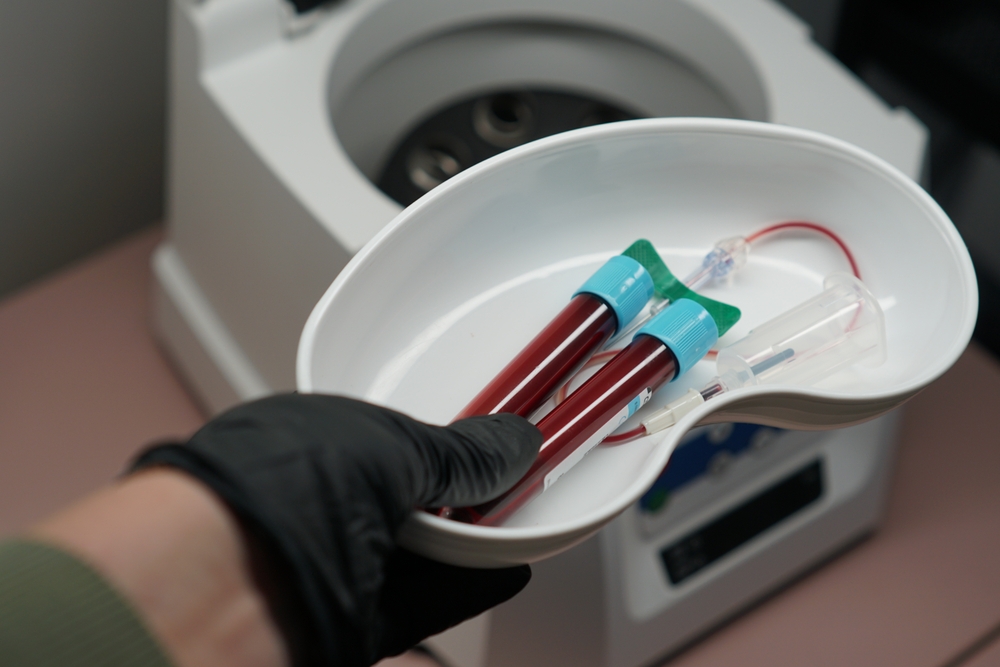
IMHA and ITP can turn serious within hours once the immune system has begun destroying red blood cells or platelets, which is why early recognition matters so much. IMHA, or immune-mediated hemolytic anemia, leaves a dog or cat increasingly weak, short of breath, and sometimes jaundiced as red blood cells disappear from circulation. ITP, or immune-mediated thrombocytopenia, shows up as pinpoint bruising in the gums, skin, or eyes because platelets are no longer there to stop small bleeds. Tick-borne infections can trigger either disease, so a workup that looks for both the autoimmune process and a hidden infection is what guides the right treatment.
As a family-owned Nashville hospital, WesVet Animal Hospital protects same-day sick visits on the schedule so a dog or cat with pale gums, sudden lethargy, or new bruising can be seen the same day. We run the in-house CBC, chemistry panel, and urinalysis to confirm whether red cells or platelets are the target, and we add ultrasound and tick-borne infection screening to look for what may be driving the immune system to misfire. If you notice any of these signs during our regular hours, call us and we will get your pet in.
Quick Facts About Autoimmune Blood Diseases
- IMHA destroys red blood cells and ITP destroys platelets, and either one can go from mild tiredness to a medical emergency within hours.
- Watch for pale or yellow gums, faster resting breathing, dark urine, unexplained bruising, or pinpoint red spots, and treat any of these as a reason to come in the same day.
- Tick-borne infections can trigger or perfectly mimic these diseases, so every workup needs to look for a hidden infection, not just the autoimmune attack.
- Most pets have a genuine chance at recovery when the problem is caught early and the right treatment starts fast.
Which Red Flags Should Send You In Today Instead of Waiting?
Some signs are not worth watching and waiting on. They mean a same-day visit. Any of the following calls for same-day evaluation:
- Lethargy, weakness, or collapse: your pet cannot get up or is extremely lethargic, come in now.
- Pale or yellow gums: white, gray, or yellow-tinged gums point to red cell destruction.
- Bruising or petechiae: unexplained bruises or pinpoint red spots signal a platelet problem.
- Labored breathing at rest: fast or hard breathing while resting is an emergency.
- Dark or blood-tinged urine: cola-colored or pink urine needs urgent evaluation.
If you spot any of these, call ahead and come in the same day so we can have a room and diagnostics ready.
What Makes a Pet’s Immune System Attack Its Own Blood?
Immune-mediated diseases begin when the immune system mistakenly flags a pet’s own healthy cells for destruction. In blood disorders, the target is either the red blood cells that carry oxygen or the platelets that stop bleeding.
One distinction shapes everything about treatment: whether the disease is primary or secondary. Primary IMHA and ITP have no identifiable outside cause and are managed by suppressing the immune response directly, while secondary forms only resolve when the underlying trigger is found and treated alongside immunosuppression. That is why our workup never stops at “the immune system is attacking the blood.” A hidden infection or illness that goes unaddressed will simply relight the fire.
What Happens When Your Pet’s Body Destroys Its Own Red Blood Cells?
IMHA is a disease in which the immune system destroys a pet’s own red blood cells. Because those cells carry oxygen, losing them quickly starves the organs. Immune-mediated hemolytic anemia destroys cells faster than the body can replace them, so early tiredness can turn into a crisis within a day or two.
The window between “seems off” and “in trouble” can be short.
What Are the Early Signs of IMHA in Pets?
The earliest signs of IMHA are easy to brush off, which is exactly the danger. Pale or jaundiced gums are one of the clearest at-home warning signs, appearing alongside unusual fatigue, faster resting breathing, dark or discolored urine, and a drop in appetite. Lift your pet’s lip and look: healthy gums are pink, while gums that look white, gray, or yellow-tinged are a red flag worth a same-day call. Cocker Spaniels have a documented breed predisposition, and develop IMHA more often.
What Causes Secondary IMHA in Dogs and Cats?
Secondary IMHA always has an identifiable trigger behind it, and finding it is not optional: treat the anemia while the cause keeps working, and the disease comes right back. The triggers a veterinarian works through:
- Tick-borne infections: parasites and bacteria carried by ticks are among the most common triggers, covered in more detail below.
- Bacterial infections: leptospirosis, picked up from contaminated water.
- Blood parasites in cats: hemotropic mycoplasma attaches to feline red blood cells.
- Cancers: lymphoma can drive the immune system to misfire.
- Blood vessel tumors: hemangiosarcoma is another cancer that can set off the same immune reaction.
- Viruses: in cats, the leukemia virus is a known contributor.
- Toxins: zinc toxicosis, often from a swallowed penny.
- Drugs and envenomations: certain medications and snake bites can set the same process in motion.
Why Do Blood Clots Make IMHA So Dangerous?
The most surprising thing about IMHA is that the biggest threat is not bleeding out, it is clotting. The same disease that destroys red cells also pushes the clotting system into overdrive, and a clot that lodges in the lungs or another organ can be sudden and fatal. That danger is why IMHA is often managed with hospitalization and close monitoring rather than sending a pet home to wait. Watch for these signs of a possible clot, any of which needs care right now:
- Sudden trouble breathing: fast, labored, or open-mouth breathing that comes on quickly can signal a clot in the lungs.
- Collapse or sudden weakness: a pet that buckles or cannot get up needs immediate attention.
- A cold, painful, or dragging limb: a clot cutting off blood flow to a leg is a genuine emergency.
- Sudden disorientation: stumbling, a head tilt, or unresponsiveness can point to a clot affecting the brain.
If any of these appear, we handle emergency and urgent care during our regular hours, so call ahead and come straight in; after hours, go to the nearest veterinary ER.
Inside ITP: When Platelets Vanish and Bleeding Won’t Stop
ITP is the immune system’s attack on platelets, the tiny cells that plug leaks and let blood clot. Without them, even a minor bump can turn into serious bleeding. Immune-mediated thrombocytopenia lets a pet bleed with no obvious injury and lose serious blood internally even when outward signs look mild.
That is what makes it deceptive: a few bruises on the belly can look minor while real bleeding is happening inside where you cannot see it.
What Are the Signs of ITP in Pets?
The signs of ITP show up as bleeding in places that should not bleed, because platelets are what stop small bleeds. Look for:
- Petechiae: pinpoint red or purple spots, most visible on the gums, belly, or the whites of the eyes.
- Unexplained bruising: patches of bruising on the belly or gums with no injury to explain them.
- Nosebleeds: bleeding from the nose that starts on its own.
- Blood in urine or stool: pink or red urine, or dark, tarry stool.
- Wounds that bleed too long: a small nick or a lost baby tooth that keeps oozing far longer than it should.
What Triggers ITP in Dogs and Cats?
Like IMHA, ITP often has a cause hiding behind it, and the triggers overlap heavily. Tick-borne infections, leptospirosis, certain medications, and cancers can all set the platelet attack in motion. Heartworm disease belongs on that list too.
There is also a rare association between ITP and recent vaccination that deserves an honest note. It is uncommon, and the protection vaccines provide against deadly diseases like distemper and parvovirus vastly outweighs this small risk. Routine vaccination and preventive care remain one of the best things you can do for your pet’s long-term health, and we are always glad to talk through any concerns.
When Both Conditions Strike at Once: Evans Syndrome
Evans syndrome is IMHA and ITP happening at the same time, so the immune system is destroying both red blood cells and platelets at once. These concurrent immune-mediated conditions are the most demanding cases we see in this category.
A pet can be dangerously anemic and prone to bleeding at the same moment, and the balance of medications often needs adjusting day to day as counts shift. It is intensive, but manageable with close teamwork between our staff and your family.
The Tick Connection Behind So Many of These Cases
Ticks are active year-round in our part of Tennessee, and several tick-borne infections can either trigger these blood diseases outright or mimic them closely. That is why an infection screen is central for us: miss the tick-borne driver, suppress the immune system, and you can leave an infection free to worsen.
Here are the key players and what they do to the blood:
| Tick-borne disease | Effect on blood health |
| Lyme disease | Can trigger immune-mediated damage and, in some dogs, kidney complications |
| Rocky Mountain spotted fever | Damages blood vessels and can drop platelet counts sharply |
| Ehrlichia and anaplasma | Classic causes of low platelets and immune-mediated destruction |
| Babesia | Blood parasite directly invades and damages red blood cells |
We build tick-borne disease testing as part of the workup for any pet with signs of a blood disorder, and recommend it as a yearly part of a pet’s wellness exams and lab work so we can catch it before major damage is done.
Which Tests Pinpoint What’s Attacking the Blood?
Diagnosis starts with your story and a hands-on exam, then moves to bloodwork that confirms what is happening and why. We ask about recent tick exposure, new medications, travel, and how quickly the signs came on, then examine the gums, check for bruising, and feel the belly for an enlarged spleen or liver. From there, the key tests build a full picture:
- CBC and blood smear: measures red cells and platelets and lets us look at the cells directly under the microscope.
- Coombs test: helps confirm that antibodies are attacking the red blood cells in IMHA.
- Reticulocyte count: shows whether the bone marrow is responding by producing new red cells.
- Chemistry panel and urinalysis: check organ function and look for signs like the pigment released when red cells break down.
- Tick-borne disease screening: rules in or out an infectious trigger.
- Imaging and further testing: ultrasound and X-rays help screen for underlying cancer or toxin exposure when the history or exam raises that concern.
Because we run these in-house, we do not have to send your pet home to wait days for answers. Our in-house diagnostics with same-day results mean treatment can begin during the same visit, which in these fast-moving diseases can make a real difference.
Calming the Attack and Rebuilding the Blood Supply
Immune-mediated disease treatment always runs along two tracks at once: shut down the immune attack, and support the body while blood counts climb back to safe levels.
When the disease is secondary, we treat the underlying trigger, whether that is an infection, a toxin, or a cancer, right alongside the immunosuppression. We map out the best plan for your pet based on the diagnosis and a conversation with you.
How Is IMHA Treated?
IMHA treatment layers several tools depending on how severe the anemia is and whether a trigger is found:
- Immunosuppression: corticosteroids and other immune-calming medications are the foundation, stopping the attack on red blood cells.
- Anti-clotting medication: because of the clotting danger, high-risk patients often receive blood thinners to prevent fatal clots.
- Supportive care: fluids, rest, nutrition, and monitoring help the body cope while treatment takes hold.
- Blood transfusions: for a severely anemic patient, blood transfusions buy critical time by restoring oxygen-carrying capacity.
- Therapeutic plasma exchange: in the most severe or refractory cases, therapeutic plasma exchange can filter the harmful antibodies out of the bloodstream when immunosuppression alone is not enough.
- Targeted antimicrobials: when an infection is confirmed as the trigger, the right antibiotic or antiparasitic is essential to a lasting recovery.
How Is ITP Treated?
ITP treatment focuses on stopping the destruction of platelets and giving the body room to rebuild its supply:
- Corticosteroids: the first-line therapy, calming the immune system’s attack on platelets.
- Vincristine: this medication can nudge the bone marrow to release more platelets into circulation.
- Intravenous immunoglobulin: for critically low counts, this can help slow the immune destruction while other treatments catch up.
- Splenectomy: removing the spleen, where much of the platelet destruction happens, is a later-stage option reserved for cases that do not respond to medication.
Can Steady Tick Prevention Actually Head Off These Blood Diseases?
Consistent year-round tick prevention is one of the most direct ways to lower the risk of these secondary blood disorders. Every gap in coverage opens a window for a tick-borne infection to take hold, and even one skipped month in tick season can be enough.
Not all products are equal. Over-the-counter options vary widely in how well they work and how long they last, while prescription products are held to a higher standard for reliability and duration. We are happy to match your dog or cat to prescription-strength prevention products based on lifestyle, and we make refills easy so protection never lapses.
Frequently Asked Questions About IMHA and ITP in Pets
Can dogs and cats fully recover from IMHA or ITP?
Many do. With early diagnosis and prompt treatment, a good number of pets recover well and return to a normal life, especially when a secondary trigger is identified and treated. Recovery often takes weeks to months of medication and monitoring, and some pets need long-term or intermittent therapy to prevent relapse. The pets who struggle most are usually those caught late or with a serious underlying cause, which is why acting quickly on early signs matters so much.
Are these blood diseases contagious to my other pets or my family?
The immune disorders themselves are not contagious. IMHA and ITP are the body attacking its own cells, so one pet cannot pass the disease to another pet or to you. The exception is the trigger: certain infectious causes, like Babesia passing dog-to-dog through a bite or leptospirosis spreading through contaminated urine, can be transmissible. That is one more reason we work hard to identify the underlying cause, so we can protect the rest of your household when needed.
How much does it cost to treat immune-mediated blood disease?
Costs vary widely depending on severity, how long hospitalization is needed, whether a transfusion is required, and what underlying cause we uncover. A mild, early case managed with oral medication looks very different from a critical patient needing intensive care. We believe in being upfront about expected costs and options, and we will always talk through the plan with you so you can make informed decisions for your pet and your family.
Turning Fear Into a Clear Next Step for Your Pet
Hearing that your pet’s own immune system is attacking their blood is frightening, and that fear is completely understandable. The reassuring truth is that fast, accurate diagnosis gives most pets a genuine chance at recovery, and acting early on that first “something is off” feeling is what tilts the odds.
If your dog or cat is showing pale gums, sudden tiredness, unexplained bruising, or any of the signs we have covered, do not wait to see if it passes. Request an appointment to get started. You can also reach out to our team, and we will walk through what is happening and what comes next, together.





Leave A Comment