
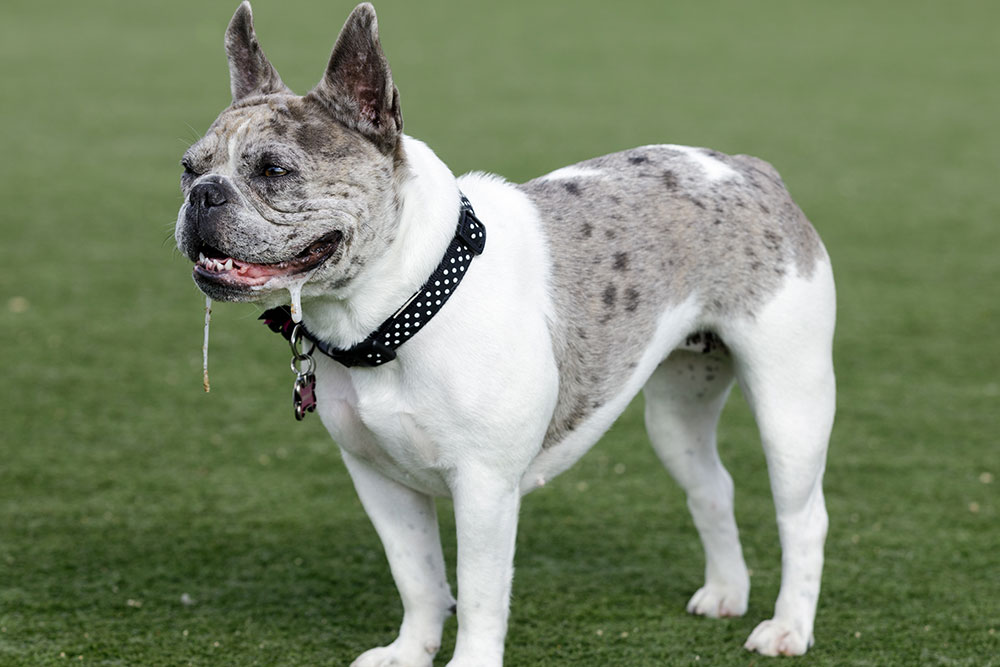
Those reddish-brown streaks under a dog or cat’s eyes, and the matching discoloration where a pet licks the same spot again and again, are usually a signal of an underlying problem rather than a grooming flaw. The color comes from porphyrins, natural pigments in tears and saliva that dye light fur over time. Tear staining builds up when tears overflow instead of draining, which happens with a clogged tear duct, an eyelid that sits wrong against the eye, or ongoing surface irritation. Saliva staining often appears on the paws, legs, or flanks of a pet who licks constantly, a habit that often points to an itch, discomfort somewhere in the body, or anxiety. Cleaning the fur without asking why the tears or the licking started leaves the real source untouched.
At WesVet Animal Hospital, gentle handling matters most for a pet whose face is sore or whose paws are raw from licking, so we keep the exam calm while we check the eyelids, tear drainage, and skin for the irritation behind the discoloration. A wellness visit for dogs and cats in Nashville lets us trace tear overflow to its source, and our dermatology services help narrow down whether the licking stems from allergic itch, soreness, or stress. If the wiping and whitening routine never seems to end, request an appointment, and with same-day visits available we can start working toward the cause instead of the symptom.
Stain Basics Before You Grab the Wipes
- Tear and saliva stains usually trace back to something underneath, from blocked tear drainage or an eye problem to allergies, pain, or anxiety.
- The rusty tint is porphyrin pigment, and it darkens the longer it sits on light fur exposed to air.
- Wiping the fur helps the look, but lasting change comes from treating the reason the tears overflow or the licking won’t stop.
- Some causes need medical or surgical care while others ease with grooming changes, allergy control, or dental work, so an exam is the place to start.
Why Does My Dog or Cat Get Reddish-Brown Stains in Their Fur?
The streaks show up wherever tears or saliva sit in the fur, usually under the eyes, around the muzzle, or on the paws. The rusty color comes from porphyrins, iron-rich pigments that darken the longer they sit on fur exposed to air and light. White-coated pets simply show the color more plainly; a dark tabby or black Lab stains just as much, but the pigment hides against the fur. A small amount of tear staining is normal for many dogs and cats, but knowing how much moisture and staining is “normal” calls for a veterinarian to examine your pet first.
Where that moisture lingers, it creates a warm, damp pocket where yeast and bacteria move in, turning a cosmetic stain into an itchy or smelly patch of skin. Brachycephalic breeds like Bulldogs, Pugs, and Persians stain more heavily because their crowded muzzles and shallow eye sockets keep tears from draining.
| Stain type | Where it shows up | What it often signals |
| Tear staining | Under and around the eyes | Blocked drainage, eyelid or lash problems, eye irritation or infection |
| Saliva staining | Paws, legs, flanks, muzzle | Allergic itch, pain, skin infection, parasites, or anxiety |
A nose-to-tail wellness exam is often where the discoloration first gets tied to its cause.
What Eye Problems Make My Pet’s Eyes Water So Much?
Constant watering traces back to one of two things: tears made normally that can’t drain, or an eye irritated enough to overproduce them. Structural quirks, blocked ducts, eyelid and lash problems, infections, and painful conditions all fall into those buckets.
Can My Pet’s Face Shape Block Normal Tear Drainage?
Facial structure is one of the most common reasons tears end up on the fur. Tears normally flow into narrow ducts at the inner corner of the eye and down into the nose, but a flat face crowds that plumbing so the overflow runs down the cheek. Some pets also carry their eyes set forward in shallow sockets, a trait called exophthalmos that leaves more of the surface exposed to wind and dust and prompts a steady defensive stream of tears.
Irritation can also come from the outside in: hair from a facial fold or overgrown muzzle brushing the eye, eyelids that roll inward so the lashes scrape the surface, or extra lashes growing where they don’t belong. A blocked tear duct is the drainage version: tears made fine but with nowhere to go. Some need a minor surgical correction while others settle with medicated drops or a grooming change, so we examine the eyelids, lashes, and tear ducts closely before recommending anything.
When Should a Watery Eye Worry Me?
A watery eye deserves attention the moment it comes with squinting, pawing at the face, redness, cloudiness, or thick discharge, since those signs point to eye pain or infection rather than simple overflow.
Conjunctivitis, the pink, puffy inflammation of the eye’s lining, is a frequent culprit, along with irritants like smoke, dust, or a stray grass seed. A scratch can open into a corneal ulcer, a raw sore painful enough to flood the eye with tears. Dry eye is the reverse problem: the tear glands stop making enough moisture, so the surface turns red and coats itself in a thick, sticky discharge that mats and stains the fur. Glaucoma, a painful rise in pressure inside the eye, can also show up as tearing and needs quick attention to protect vision. A suddenly painful eye shouldn’t wait: come in for urgent care during our open hours, calling ahead so we can have a room ready, or head to the nearest veterinary emergency hospital after we close.
Do Allergies Cause Tear and Saliva Staining?
Allergies are one of the biggest drivers of both kinds of staining, because an allergic pet tends to have watery, itchy eyes and paws they lick raw at once, whether the trigger floats in the air or sits in the food bowl.
Could Pollen or Household Irritants Be Behind It?
Airborne allergens are a leading cause, which is why so many pets flare in spring and fall but settle in winter, and Nashville’s long pollen season gives them plenty of runway. The reaction to airborne triggers like pollen, mold, and dust mites, inflames skin and eyes together, showing up as watery eyes, chewed paws, and licking of any itchy body part.
Indoor allergens like dust and mold keep a pet uncomfortable year-round. When the licking and tearing track with a walk through tall grass or one particular room, that pattern helps narrow things down.
Can My Pet’s Food Be Causing It?
Food sensitivities can also cause staining, and they are trouble year-round rather than seasonally. A pet reacting to an ingredient in the bowl often has itchy skin and paws they groom constantly.
Pinning down a food allergy takes an elimination diet trial, weeks of feeding one novel or hydrolyzed protein and nothing else, since no blood or saliva test reliably names the ingredient at fault. The catch is consistency: one stolen treat or flavored chew can undo it. Once the signs clear, foods get added back one at a time to reveal the trigger.
What Else Makes a Dog or Cat Lick Enough to Stain?
Saliva stains come from one thing: repeated licking, and the trigger is almost always discomfort or stress. Pain in the mouth or joints, an itchy skin infection, a hidden injury, parasites, and anxiety are the usual suspects, and finding which one is at work is the real job, because the licking rarely stops until its reason does.
- Pain: Arthritis often has a dog or cat working at a sore hip, knee, or paw for relief.
- Skin and paws: A yeast or bacterial skin infection itches intensely, and a broken nail, cut pad, or lump between the toes gives a pet one specific spot to fixate on.
- Stress and habit: Anxiety, boredom, or a compulsive routine can turn licking into self-soothing that outlasts whatever first set it off.
- Parasites: Year-round parasite prevention does more than guard against heartworm; it quiets the fleas and mites whose bites drive the constant licking that stains paws and legs.
More than one of these is often in play at once.
How Do Vets Figure Out What’s Causing the Stains?
Finding the cause starts with the story: when the staining began, whether it’s spreading, and what else has changed. Then a hands-on exam of the eyes, skin, mouth, and coat and a few targeted tests separate infection from irritation from anatomy.
During the eye check, we look at the lids and lashes, measure tear production, and study the surface for irritation or an abnormal shape. A drop of fluorescent stain makes any scratch or ulcer on the cornea glow so it can’t be missed. Skin cytology reads what’s growing in a damp, stained fold: a slide pressed to the skin reveals the yeast or bacteria behind the odor. Dental health, sore joints, and behavior get a look too. In-house lab work means blood, urine, and skin samples run quickly, and for the rare case that needs advanced imaging or a specialist, we help arrange the next step.
How Do I Manage Staining at Home?
Home management is less about one magic product and more about steady daily habits that keep the area clean and dry so stains never get the chance to set. A minute a day of gentle upkeep does more than any dramatic scrubbing session, and it keeps you close enough to the problem to notice when something changes.
- Clean gently and daily: Cleaning around the eyes with a soft, damp cloth lifts discharge before it dries into a set stain. Trimming the fur short in the eye corners and between the toes removes the wick that holds moisture against the skin, and a quick pat-dry of the muzzle after meals and drinks helps too.
- Skip risky store-bought removers: Many unapproved tear stain products hide low doses of antibiotics never cleared for pets, slipped in under a supplement label. Keep peroxide, human makeup removers, and vinegar away from the eye and stick with plain saline or a solution formulated for eyes.
- Consider a probiotic, but don’t count on it: A veterinary-formulated probiotic with documented strains and colony counts may calm inflammation body-wide, and some families report lighter staining after adding one, though the science is young and it’s no guaranteed cure.
- Keep the skin from getting infected: Yeast and bacteria settle into damp fur, so keep it dry, wash food and water bowls often, and watch for a foul odor, redness, or fresh licking at a spot that was fine before. If any of those appear, let us take a look.
What Medical Treatments Actually Fix the Cause?
The fix follows the diagnosis, so treatment ranges from a simple course of medicated drops to allergy management to a minor corrective procedure. Matching the treatment to the true cause is what finally ends the cycle of stain, clean, and stain again, which no amount of wiping can do on its own.
| Underlying cause | Typical treatment direction |
| Eye infection or dry eye | Medicated drops or ointments |
| Blocked duct or rolled-in eyelid | Surgical correction |
| Allergies | Long-term allergy management |
| Pain in joints or mouth | Pain control plus treating the source |
| Dental disease | Professional dental cleaning |
Surgery is sometimes the only lasting fix for a blocked duct or a rolled-in eyelid, so we’ll talk through what it involves and where it can be performed. When oral disease is driving the drooling, professional dental cleanings treat the real source rather than the stain.
When Should Staining Send Us to the Vet?
Gradual staining that’s looked the same for years is usually just cosmetic, but staining that appears suddenly or worsens fast deserves a prompt look. Trust the shift more than the stain itself: a pet who has always had a faint tear streak is a different story from one whose face changed over a month.
A handful of signs move this from a grooming question to a same-day one:
- Eye pain or squinting, pawing at the face, or holding an eye shut
- Thick, colored, or bloody discharge from the eye
- Redness, or a cloudy, hazy look to the eye surface
- A sudden jump in licking, or a behavior change like hiding or irritability
- Foul odor, or skin that’s raw, broken, or oozing in a stained area
Even purely cosmetic staining is worth a checkup, since the causes underneath are so often fixable.
Frequently Asked Questions About Tear and Saliva Staining
Will the stains go away once we treat the cause?
Often they lighten a great deal, though how much depends on the cause and how long the fur has been discolored. Treating an infection, allergy, or drainage problem usually slows or stops fresh staining, and the old color grows out over time. Some flat-faced breeds always carry a little tint from their anatomy, but that’s cosmetic once a medical driver is ruled out.
Are the stains dangerous, or just a cosmetic problem?
The stain itself is harmless pigment, but it can flag something that isn’t. Chronic tearing may mean a painful eye or a drainage problem, and constant licking often points to an allergy, pain, or a skin infection. A quick look makes sure nothing uncomfortable is hiding underneath.
Can I trim the stained hair around my pet’s eyes at home?
Light trimming near the eyes can help, but it’s easy to nick the eye or skin with scissors on a wiggly pet. Blunt-tipped grooming scissors and a second person to steady your pet lower the risk, and take off only a little at a time. For close work right at the eye, a groomer or our team is the safer choice, and we’re glad to show you a technique that works for your pet.
Getting to the Cause Behind the Stains
A tear or saliva stain is rarely the whole story. Behind it sits anatomy, infection, allergy, pain, or worry, and treating that root cause improves comfort and appearance together. Our approach pairs a thorough exam with comprehensive veterinary care to find what’s really going on, then builds a practical plan around it, the way a family doctor would. If the stains keep coming back no matter how often you clean, book an evaluation at WesVet Animal Hospital here in Nashville and we’ll help you sort out what they’re telling you.





Leave A Comment